
Donkey Kong Bananza DLC Exposes Nintendo Switch 2’s Critical Performance Vulnerabilities







Popular Now
 CarX Street
 Auto X Drift Racing 3
 The Legend of Zelda
 Geometry Dash
 Schedule I
 FIFA 23
 Stumble Guys
 Fortnite
Poppy Playtime
Fortnite
Poppy Playtime
 Minecraft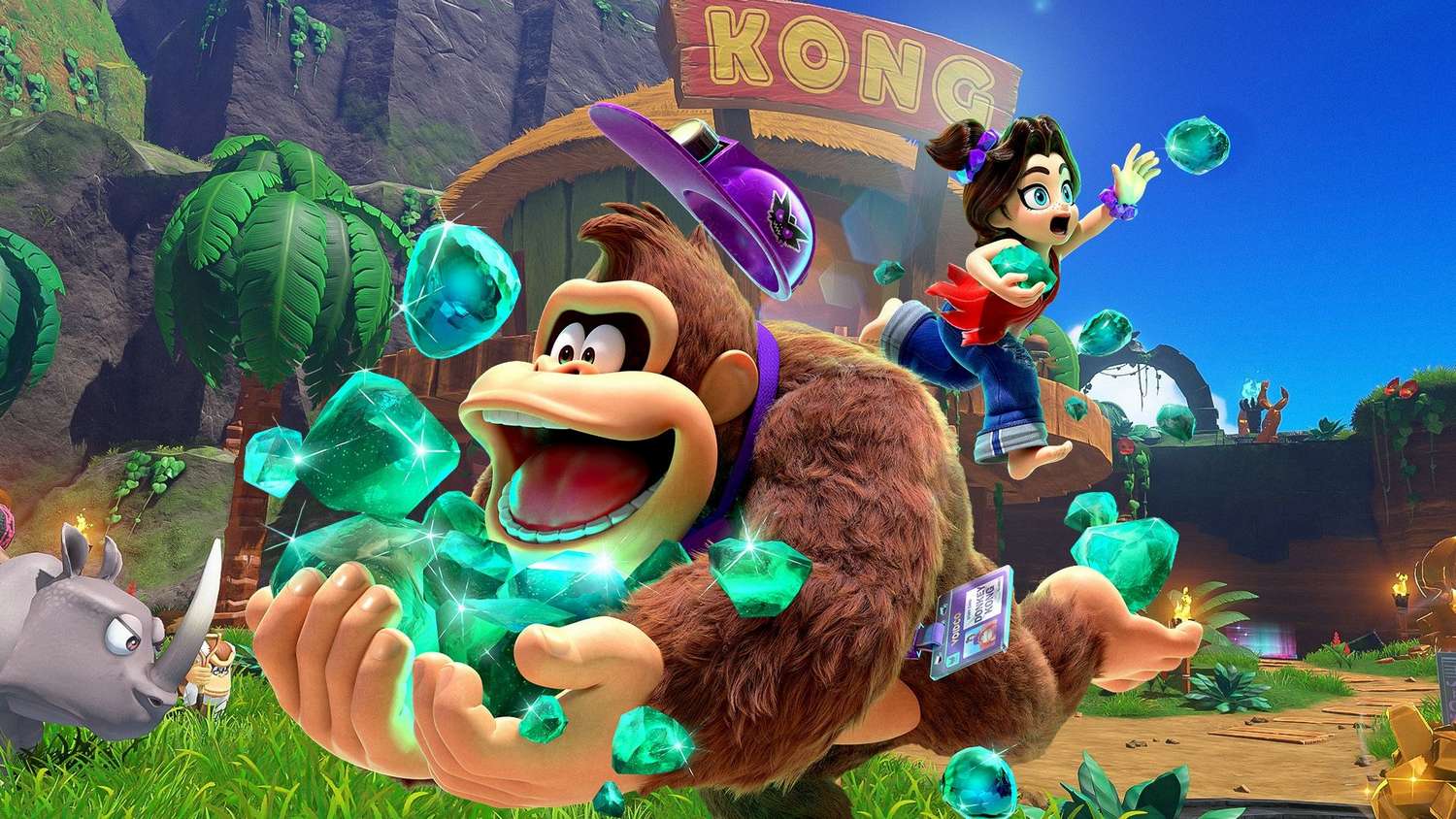
Donkey Kong Bananza DLC: Unmasking the Nintendo Switch 2’s Unexpected Achilles’ Heel
The highly anticipated launch of the Nintendo Switch 2 was met with widespread acclaim, positioning the console as a formidable successor in the fiercely competitive gaming hardware market. Gamers and industry analysts alike lauded its enhanced graphical capabilities, improved processing power, and innovative features. However, recent developments surrounding the release of the ‘Donkey Kong Bananza DLC’ for a flagship Switch 2 title have cast a shadow of doubt, revealing what many are now calling a critical performance vulnerability that could hinder the console’s long-term appeal and impact the overall next-gen gaming experience.
The Promise of Nintendo Switch 2: A Glimpse into Next-Gen Excellence
Before diving into the specifics of the DLC’s revelations, it’s crucial to contextualize the initial expectations for the Switch 2. Industry whispers and early developer testimonials painted a picture of a console capable of bridging the performance gap with its rivals, offering stunning visuals while retaining Nintendo’s signature portability. Promises of stable frame rates, higher resolutions, and faster loading times were central to its marketing, aiming to deliver a seamless and immersive experience for both casual and hardcore gamers. The initial library, while strong, hadn’t yet pushed the console’s limits, leaving the true extent of its capabilities largely unverified by more demanding, graphically intensive expansions.
Donkey Kong Bananza DLC: A Technical Stress Test
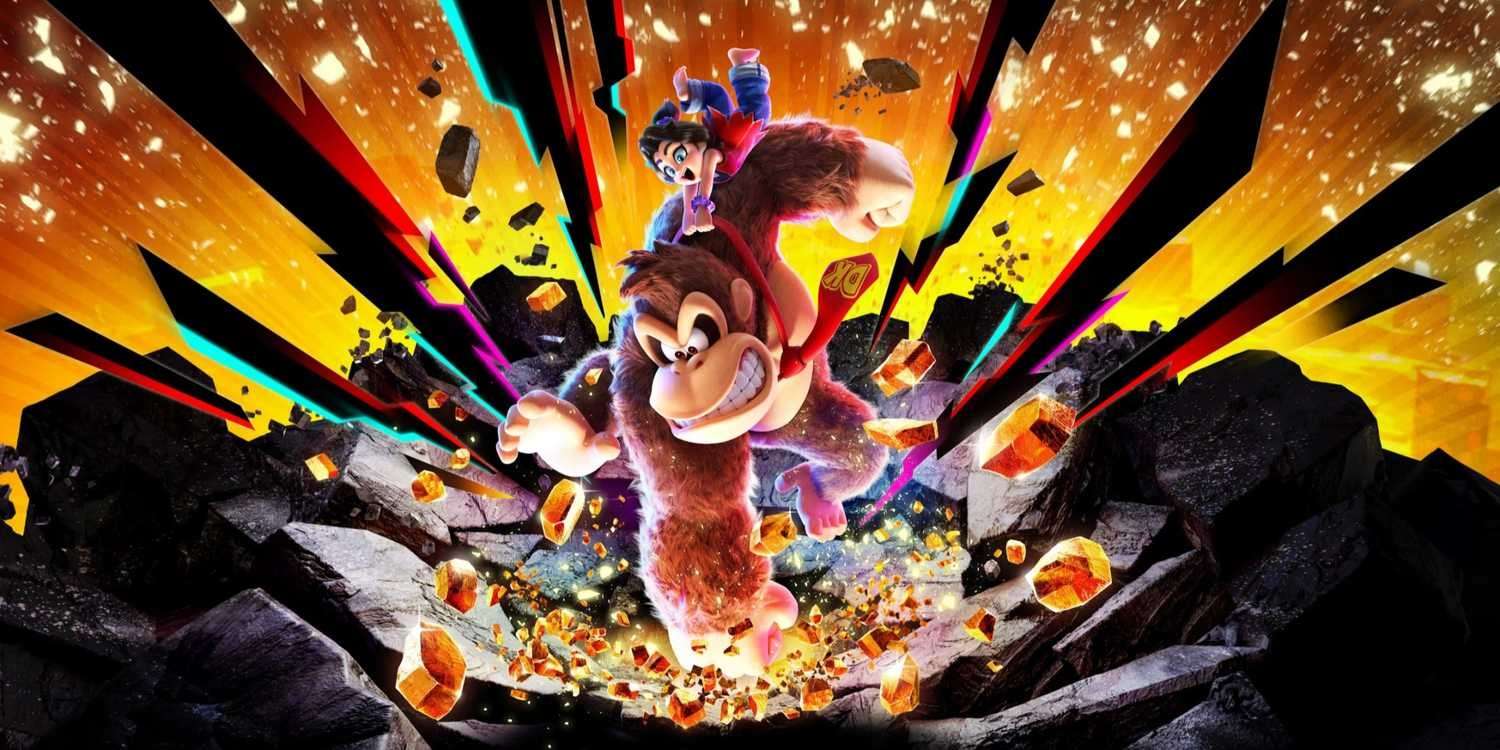
The ‘Donkey Kong Bananza DLC,’ a premium expansion for an as-yet-unnamed but critically acclaimed Switch 2 platformer, was positioned as a showcase for the console’s enhanced power. Touted as offering vast, intricate jungle environments, dynamic weather effects, and an unprecedented number of on-screen characters and physics interactions, it was designed to be a definitive graphical benchmark. Early gameplay trailers teased breathtaking vistas and fluid animations, promising an unparalleled Donkey Kong adventure that would fully leverage the Switch 2’s architecture.
However, upon its release, a different narrative began to emerge from the gaming community and technical reviewers. While the artistic direction remained lauded, a recurring theme of performance instability quickly overshadowed initial excitement. Players reported noticeable frame rate drops, particularly during intense action sequences and in areas dense with environmental details. These dips, often falling below the target 30 frames per second (fps) mark, disrupted the fluid gameplay synonymous with Donkey Kong titles and the expectations set by a ‘next-gen’ console.
Unmasking the Fatal Flaw: Performance Bottlenecks and Optimization Woes
The ‘fatal flaw’ exposed by the ‘Donkey Kong Bananza DLC’ appears to stem from a combination of factors, primarily centering on the console’s ability to maintain consistent performance under extreme load and potential bottlenecks within its hardware architecture. Technical analysis by leading digital forensics firms and independent developers has highlighted several key areas of concern:
- Inconsistent Frame Pacing: While the Switch 2 can achieve high frame rates in less demanding scenarios, the DLC reveals a struggle to maintain even frame pacing, leading to perceptible stuttering even when the average FPS seems acceptable. This ‘frame time’ inconsistency is more jarring to players than a consistently lower, but stable, frame rate.
- Dynamic Resolution Scaling Aggressiveness: To cope with demanding scenes, the Switch 2 employs dynamic resolution scaling. While common, the DLC appears to push this to an extreme, with resolutions frequently dropping well below native 1080p, and sometimes even below 720p in handheld mode, resulting in a noticeably softer and less crisp image quality. This compromises the visual fidelity that was a significant selling point for the console.
- CPU Bottlenecking: Some analysts suggest that while the GPU received a substantial upgrade, the CPU might not have kept pace, particularly when handling complex physics, AI routines, and drawing numerous objects simultaneously – all hallmarks of the ‘Donkey Kong Bananza DLC.’ This bottleneck can prevent the GPU from being fully utilized, leading to wasted potential and performance ceiling issues.
- Loading Times and Asset Streaming: Despite promises of faster storage, the DLC’s larger, more complex levels have exposed longer-than-expected loading times and occasional texture pop-in, suggesting challenges with efficient asset streaming that previous titles hadn’t fully tested.
Impact on the Gaming Experience and Developer Strategy
For players, these performance issues translate into a less enjoyable, often frustrating, gaming experience. A platformer like Donkey Kong relies heavily on precise timing and fluid movement, and any disruption to frame rate can directly impact gameplay accuracy and player immersion. This ‘fatal flaw’ isn’t about graphical prowess alone; it’s about the fundamental integrity of the gameplay experience that a next-gen console is expected to deliver.
For developers, the implications are profound. The ‘Donkey Kong Bananza DLC’ serves as a stark warning about the limits of the Switch 2’s hardware when pushed to its theoretical maximum. Future game development for the console may necessitate more aggressive optimization compromises, potentially limiting creative ambition or requiring developers to scale back visual fidelity to maintain acceptable performance. This could lead to a ‘race to the bottom’ where games are designed to avoid taxing the console’s known weaknesses, rather than leveraging its strengths.
The Road Ahead: Nintendo’s Response and Future Prospects
The revelation of these performance vulnerabilities places Nintendo in a precarious position. While the Switch 2 remains a popular console, addressing these issues will be paramount to sustaining its competitive edge against rivals that continue to push graphical boundaries. Potential solutions could include:
- Firmware Updates: Nintendo could release system-level optimizations via firmware updates that better manage resource allocation or improve the console’s overall efficiency.
- Developer Guidelines: Issuing updated guidelines for developers, emphasizing best practices for optimization on the Switch 2’s specific architecture, might help mitigate future performance issues.
- Hardware Revisions: In the longer term, should the flaw prove to be a fundamental hardware limitation, a mid-generation revision with upgraded components might become necessary, although this carries significant logistical and financial challenges.
The ‘Donkey Kong Bananza DLC’ has inadvertently become a critical diagnostic tool, highlighting areas where the Nintendo Switch 2 falls short of its next-gen aspirations. While the console undoubtedly delivers a compelling gaming experience in many aspects, its struggle with the DLC’s demands underscores the delicate balance between innovation, portability, and raw technical power. As the gaming landscape evolves, how Nintendo addresses this unexpected Achilles’ heel will be a defining factor in the Switch 2’s legacy and its ability to truly compete at the forefront of the gaming industry.
The market for gaming hardware is unforgiving, and consumers expect consistent, high-fidelity experiences from their premium console investments. The ‘Donkey Kong Bananza DLC’ is a wake-up call, emphasizing that even the most innovative platforms must deliver on fundamental performance metrics to maintain their appeal and secure their position in the highly lucrative next-gen gaming ecosystem.