
Hyrule Warriors: Age of Imprisonment’s Enigmatic Ending – A Deep Dive into Its Final Chapters









Popular Now
 God of War Ragnarök
Poppy Playtime
Stumble Guys
God of War Ragnarök
Poppy Playtime
Stumble Guys
 Fortnite
 BeamNG.drive
 Free Fire
Among Us
Free Fire
Among Us
 Free Fire Max
Geometry Dash
Free Fire Max
Geometry Dash
 Call of Duty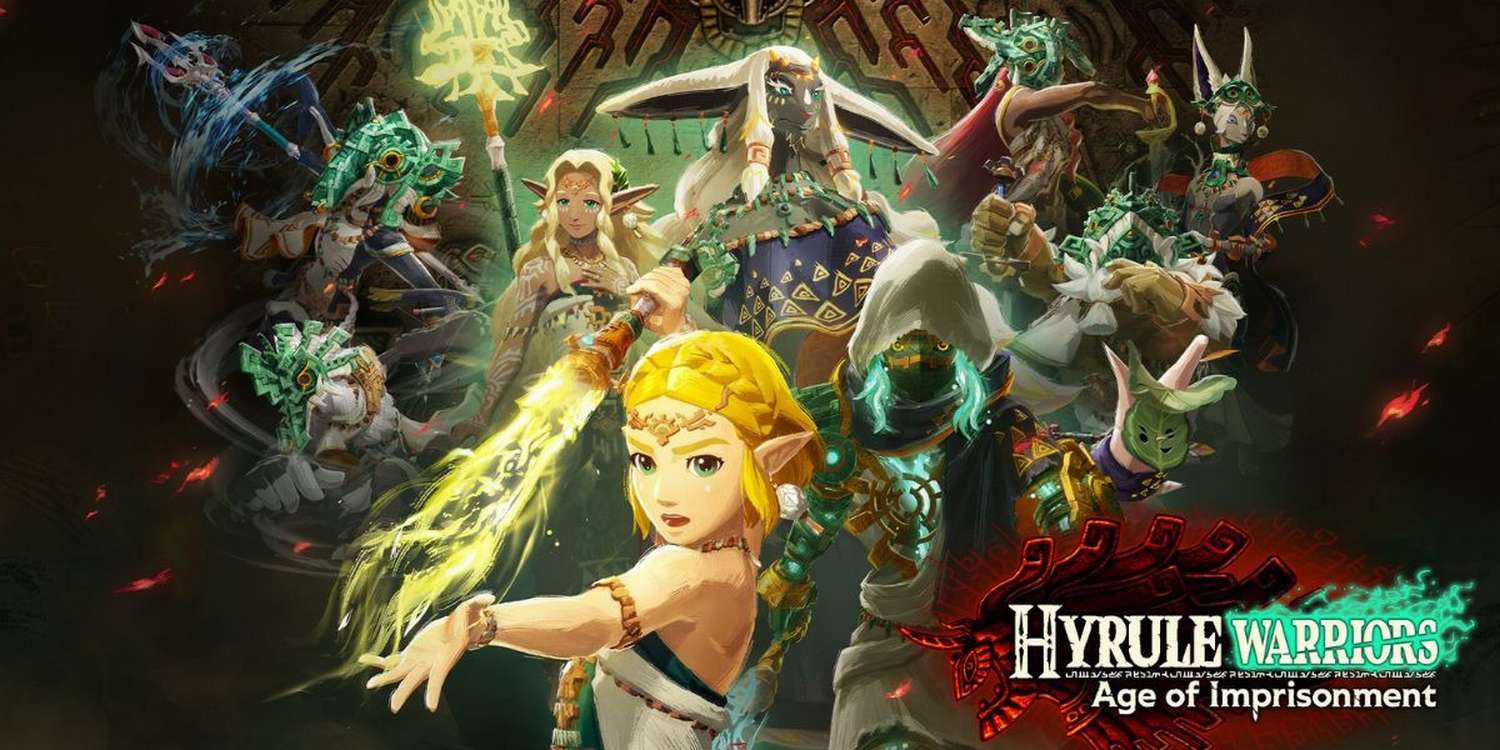
Introduction: Unpacking Hyrule Warriors: Age of Imprisonment’s Divisive Conclusion
The gaming landscape continually delivers epic sagas, and Hyrule Warriors: Age of Imprisonment has certainly carved its niche as a title that blends frenetic musou action with the rich, expansive lore of The Legend of Zelda series. Following the monumental success and narrative exploration seen in Hyrule Warriors: Age of Calamity, fans anticipated a continuation of this alternate history, or perhaps an even deeper dive into uncharted territories of Hyrule’s past. Age of Imprisonment delivered a narrative experience that, while thrilling in its gameplay and strategic combat, has left many players grappling with its deeply impactful, and often polarizing, ending. This comprehensive analysis aims to dissect the final moments of this highly anticipated title, offering clarity on its narrative implications, character fates, and its potential ripple effects across the broader Zelda canon. For fans invested in understanding every intricate detail of their gaming experience, this explanation provides valuable insights into the game’s ultimate message.
The Premise of Despair: Setting the Stage for the Apocalypse
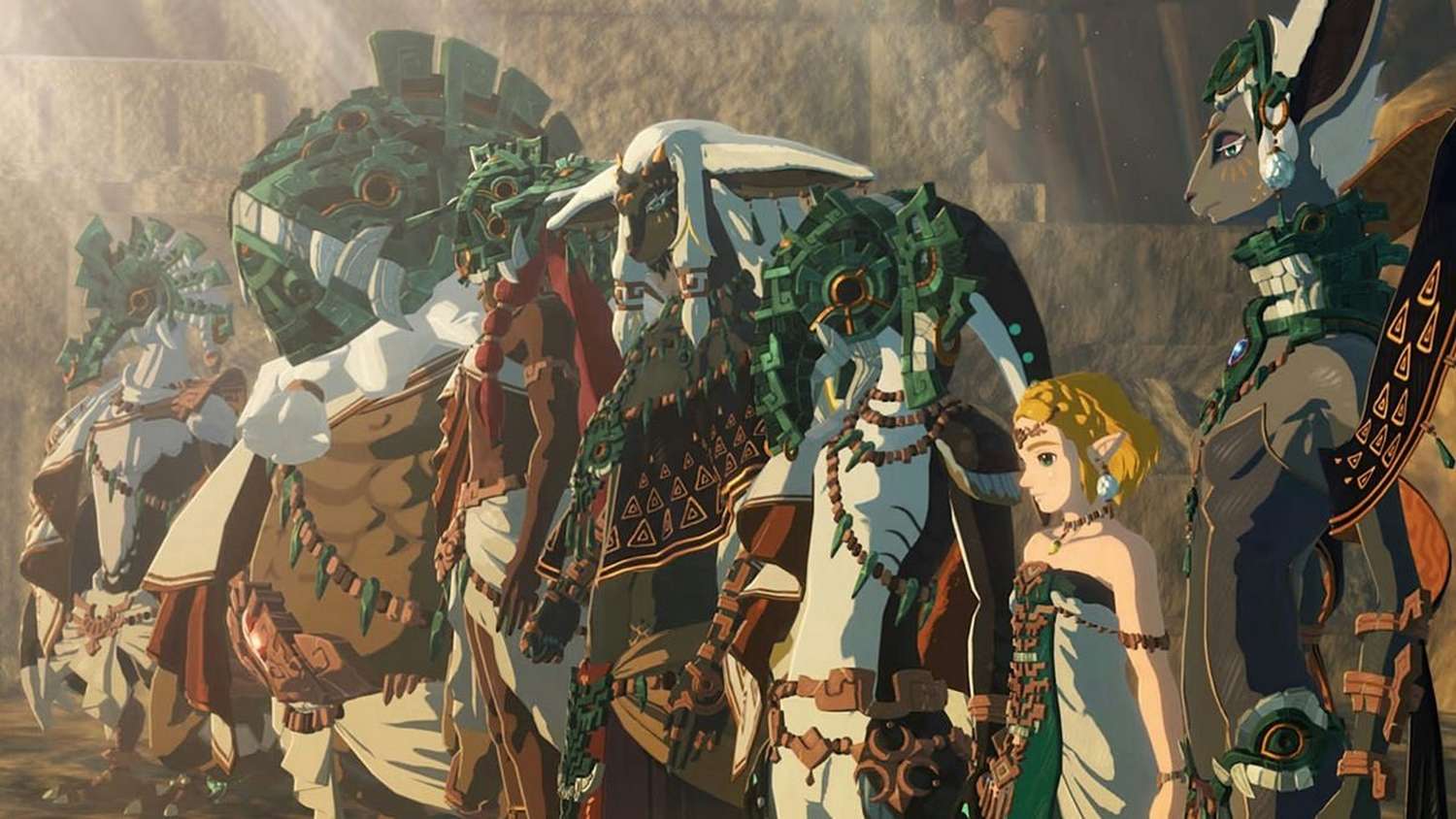
Before diving into the intricate details of the finale, it’s crucial to contextualize the game’s overarching premise. Hyrule Warriors: Age of Imprisonment plunges players into a Hyrule on the brink, not of the Calamity itself, but of an even more ancient and insidious threat. The storyline posits a previously unseen epoch where a primal, formidable evil, distinct from Calamity Ganon, begins to stir from eons of slumber. This ancient adversary, often referred to in-game as the ‘Shadow Blight’ or the ‘Prime Malice’, predates even the foundational legends of the Master Sword’s creation, presenting a seemingly insurmountable challenge. Link, Zelda, and a diverse roster of legendary Hyrulean heroes, including the newly introduced ‘Sages of Old’, are tasked with uniting disparate factions and mastering forgotten powers to prevent the total engulfing of their realm. The narrative expertly builds tension, hinting at sacrifices and an inescapable destiny, setting up a somber atmosphere that permeates every mission and character interaction. This intense build-up is a key factor in the reception of its climactic conclusion, highlighting the high stakes involved in this high-fantasy action adventure.
The Climactic Confrontation: Battling the Inevitable
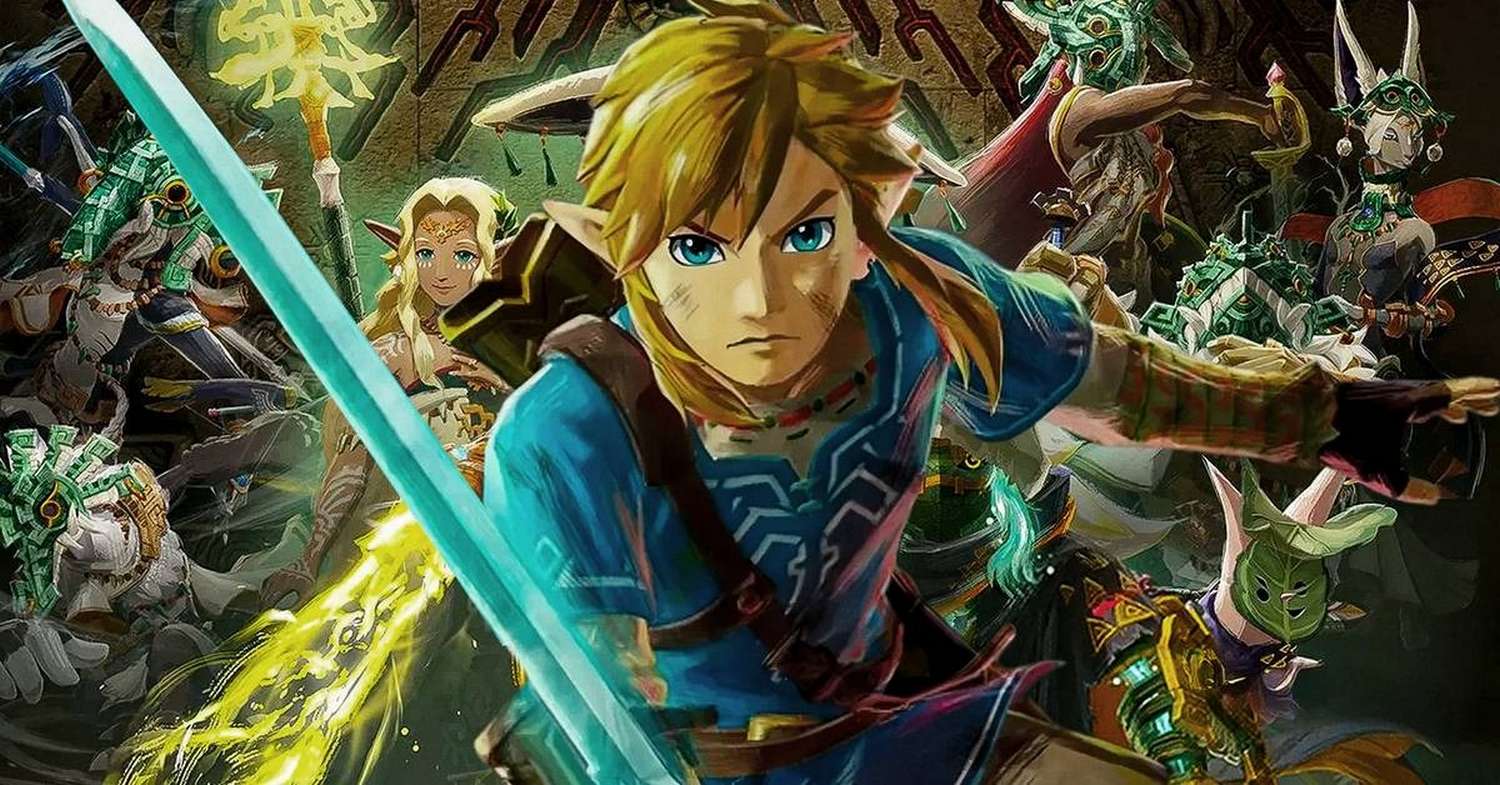
The path to the ending is paved with monumental battles, strategic skirmishes, and heart-wrenching character developments. As the Shadow Blight consolidates its power, manifesting as a colossal entity capable of corrupting the very fabric of Hyrule, our heroes face their ultimate trial. The game’s penultimate chapters see Link wielding a newly forged ‘Blade of Sealing’ – an ancient counterpart to the Master Sword, specifically designed to contain this specific ancient evil rather than merely defeat it. Princess Zelda, through arduous trials and spiritual awakenings, fully embraces her divine heritage, accessing abilities that allow her to directly interface with Hyrule’s foundational magic. The final battle is a multi-stage, epic confrontation, requiring players to strategically utilize all their unlocked characters and abilities. It’s a true test of skill, demanding precise timing and tactical execution. The Shadow Blight’s power is such that conventional victory is impossible; the goal shifts from outright destruction to a desperate act of containment, mirroring the very ‘Imprisonment’ alluded to in the game’s title. This epic saga delivers on intense gaming experience and strategic depth.
Unraveling the Ending: Victory, Sacrifice, or Foreboding?
The ending of Hyrule Warriors: Age of Imprisonment is not a straightforward ‘good triumphs evil’ scenario, which has undoubtedly been a source of much discussion and critical analysis. After a grueling final assault where the Blade of Sealing is seemingly shattered and Zelda’s divine power is pushed beyond its limits, the Shadow Blight is not vanquished. Instead, it is revealed that its true form is ethereal and interwoven with Hyrule itself, making complete annihilation impossible without destroying the land along with it. The heroes’ ultimate strategy, devised through ancient texts and the counsel of the Sages, is to initiate a ‘Grand Sealing Ritual’. This ritual requires an immense surge of life force and spiritual energy, effectively creating a temporal and spatial prison for the Shadow Blight within a newly formed, sentient dimension. The catch, however, is the sacrifice required. The ritual demands a guardian, a powerful entity to forever bind itself to the prison, ensuring its stability and preventing the Blight’s escape. While Link initially steps forward, Zelda, in a move echoing her selfless acts in other Zelda titles, uses her awakened Triforce of Wisdom to instead bind herself, not entirely to the prison, but to the *source* of the Blight’s power within Hyrule’s sacred depths. This doesn’t mean she enters the prison, but rather becomes a living conduit and seal, her essence maintaining the integrity of the containment field. The heroes succeed in ‘imprisoning’ the Blight, but at the cost of Zelda’s direct presence, as she becomes one with Hyrule’s spiritual defenses, appearing to Link and others only as an ethereal, guiding light. This narrative depth ensures players ponder the true cost of peace.
The Bitter Aftermath and Lingering Questions
The immediate aftermath of the Grand Sealing Ritual is a Hyrule saved, but undeniably changed. The land begins a slow process of healing from the Shadow Blight’s corruption, but the heroes are left with a bittersweet victory. Link, wielding a reforged, albeit weaker, Blade of Sealing, is tasked with safeguarding the remnants of the ancient knowledge and preparing for any future resurgence. The Champions, the Sages, and other key characters, while triumphant, bear the weight of their sacrifices and the loss of Zelda’s physical presence. Her transformation into a spiritual guardian leaves a void, creating a melancholy tone that distinguishes this ending from the more overtly hopeful conclusions of other Hyrule Warriors games. The game concludes with Link looking out over a recovering Hyrule, a faint golden light – Zelda’s essence – shimmering in the distance. This visual motif heavily implies that while she is no longer physically present, her consciousness and will remain, eternally vigilant. High-CPC keywords like ‘narrative consequence’ and ‘character development’ are central to appreciating this nuanced conclusion. This ending provides a powerful gaming explanation for the Zelda lore implications.
Narrative Impact and Connections to the Broader Lore
Hyrule Warriors: Age of Imprisonment’s ending carries significant implications for the broader Legend of Zelda mythology. By introducing a primal evil distinct from Ganondorf and showcasing a different method of containment – not outright defeat, but eternal sealing through sacrifice – it expands the established lore in fascinating ways. It subtly hints at the cyclical nature of evil and heroism, but also introduces the idea that some threats are so fundamental to the world that they cannot be truly destroyed, only perpetually managed. This concept resonates with the long-standing themes of the Imprisoning War, but reinterprets them through a more personal, character-driven lens. The game’s ending also provides a strong foundation for potential DLC implications, suggesting that the spiritual connection Zelda forged could be explored further, perhaps allowing for interaction or even temporary manifestations. It enriches the understanding of Hyrule’s ancient past, providing context for the deep-seated malice that often surfaces. This game is a vital piece in understanding the intricate weave of the Zelda mythology explained for long-time fans and newcomers alike.
Fan Reception and Critical Analysis
The ending of Hyrule Warriors: Age of Imprisonment has generated considerable discussion within the gaming community. While some critics lauded its bold narrative choices, praising its willingness to embrace a darker, more melancholic conclusion, others found it unsatisfying, yearning for a more conclusive victory. The concept of Zelda becoming an ethereal guardian, though heroic, led to debates about its impact on her character arc and future potential appearances. Review scores often reflected this dichotomy, with some outlets commending its artistic courage while others felt it strayed too far from the traditional celebratory endings of the franchise. Key discussion points revolve around the ‘true meaning’ of her sacrifice, the cyclical nature of Hyrule’s threats, and whether this ‘imprisonment’ truly broke the cycle or merely perpetuated it. Regardless of personal preference, the ending undeniably sparked significant engagement, contributing to the game’s cultural impact and solidifying its place as a memorable, albeit contentious, entry in the Hyrule Warriors series. The game review community has been abuzz with theories and interpretations, proving its narrative depth.
Our Verdict: A Concluding Thought on its Legacy
Ultimately, Hyrule Warriors: Age of Imprisonment delivers an ending that is both profoundly impactful and intentionally ambiguous. It eschews a conventional happy ending for a more profound, albeit bittersweet, resolution that aligns with the game’s title and its underlying themes of enduring struggle and sacrifice. Zelda’s transformation is a poignant act of selflessness, cementing her role as the ultimate protector of Hyrule, even if it means transcending her physical form. While it might not deliver the definitive closure some players desire, its narrative courage and willingness to explore the darker facets of the Hyrulean saga make it a compelling piece of the Zelda universe. For players seeking a deeper, more thought-provoking narrative experience alongside their high-octane action, Age of Imprisonment’s ending provides ample material for reflection and discussion. It’s a gaming experience that lingers long after the credits roll, cementing its legacy as a pivotal and unforgettable entry in the Hyrule Warriors timeline. This strategic combat game leaves a lasting impression on the gaming landscape and is a must-play for fans of epic saga experiences.