
Squad Busters Confirmed for 2026 Shutdown: Supercell’s High Expectations Prove Too Challenging








Popular Now
 Minecraft
 NBA 2K24
 Warframe
 Gacha Club
 EA SPORT FC 25
 God of War Ragnarök
 Grand Theft Auto V
 Auto X Drift Racing 3
 Valorant
 Toca Boca World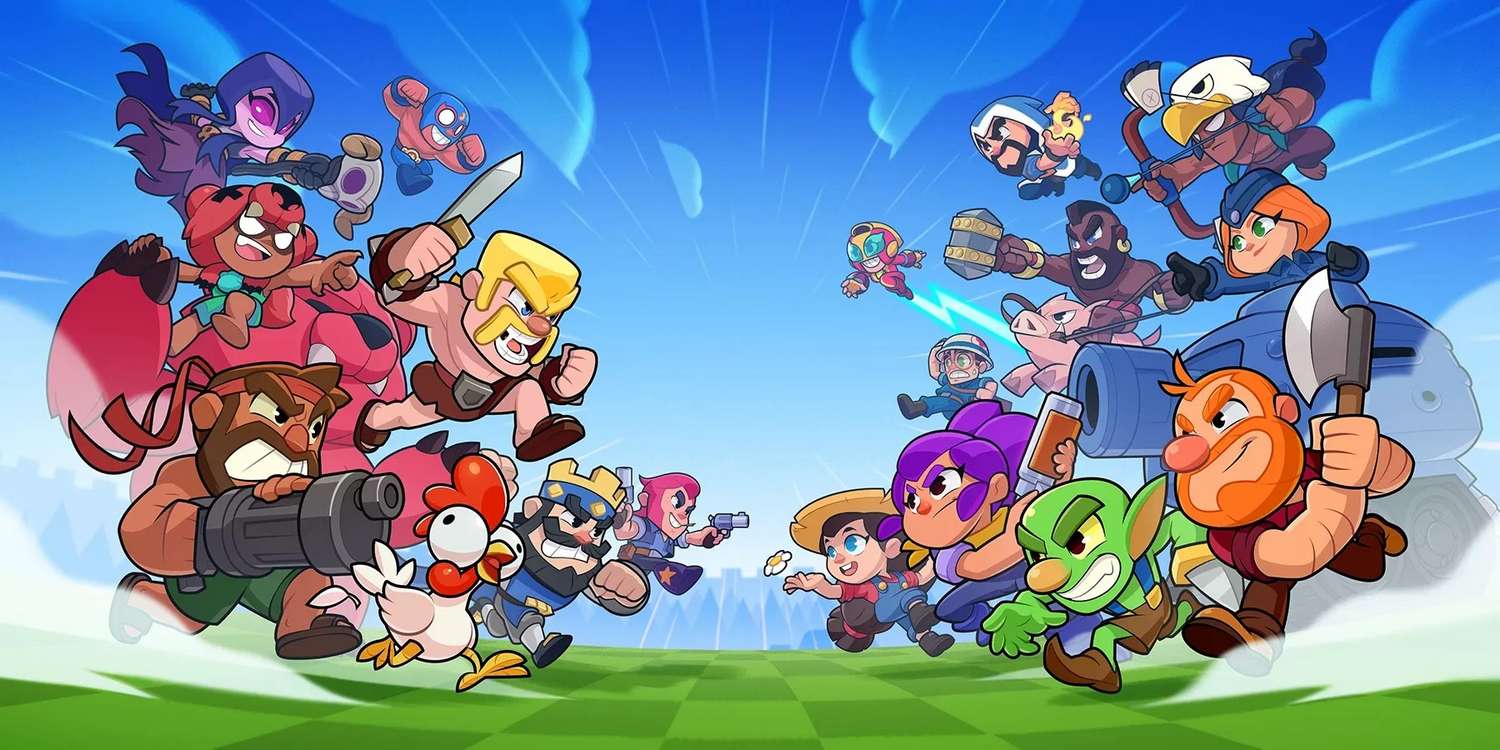
Helsinki, Finland – In a significant development reverberating throughout the mobile gaming industry, Supercell has officially announced its decision to sunset its highly anticipated title, Squad Busters, by early 2026. The move comes after the game reportedly struggled to meet the Finnish giant’s notoriously stringent performance benchmarks and long-term monetization expectations, casting a shadow over what was once deemed a potential next-generation hit.
The announcement, made internally before a public statement is expected in the coming weeks, underscores Supercell’s unwavering commitment to cultivating only enduring, global blockbusters. Sources close to the company indicate that despite a strong initial marketing push and Supercell’s characteristic polish, Squad Busters failed to achieve the critical player retention and robust revenue generation metrics deemed essential for a title to remain active within its elite portfolio.
The Trajectory of a High-Stakes Launch
Squad Busters, a vibrant action game blending characters from various Supercell universes, launched globally to considerable fanfare. Its unique premise promised a fresh take on the mobile multiplayer genre, allowing players to collect and evolve characters to form powerful squads. Initial downloads were impressive, fueled by Supercell’s immense brand recognition and a savvy marketing campaign that resonated with a broad audience. Analysts and players alike had high hopes, envisioning a title that could stand alongside titans like Clash of Clans and Brawl Stars.
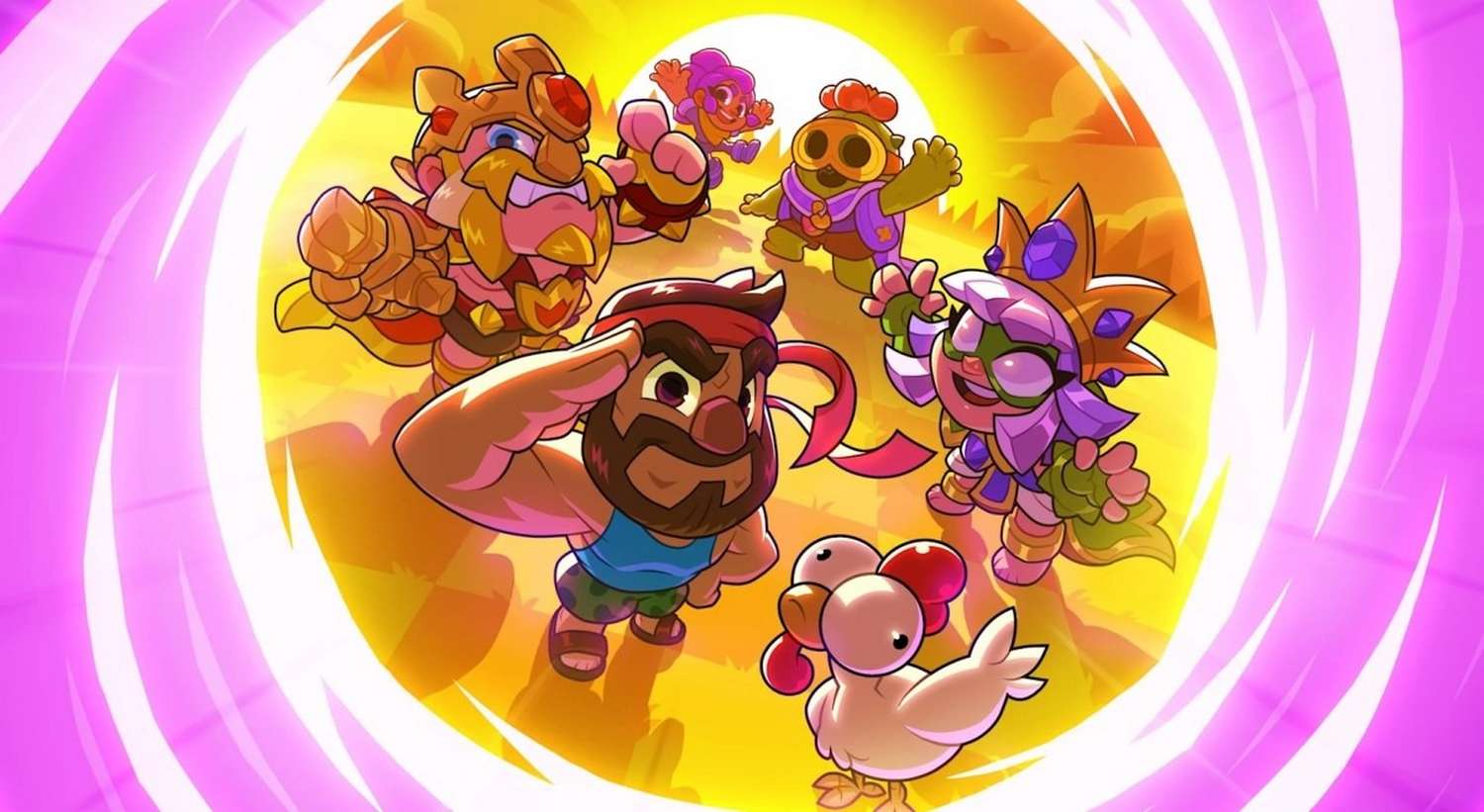 However, the journey post-launch proved to be more challenging than anticipated. While initial engagement was robust, data suggests a gradual but persistent decline in key performance indicators (KPIs). Player churn rates, particularly among casual players, began to exceed internal thresholds. Furthermore, the game’s monetization mechanics, while designed to be fair and engaging, reportedly did not convert users into high-spending players at the rate Supercell typically requires to justify ongoing development and live service costs.
- Initial Player Engagement: Strong, driven by IP recognition and novelty.
- Player Retention Metrics: Gradually declined below Supercell’s demanding benchmarks.
- Monetization Performance: Failed to generate sufficient lifetime value (LTV) per user to sustain long-term investment.
- Competitive Landscape: Faced intense competition in the crowded mobile action-strategy genre.
 Supercell’s Uncompromising Standards for Success
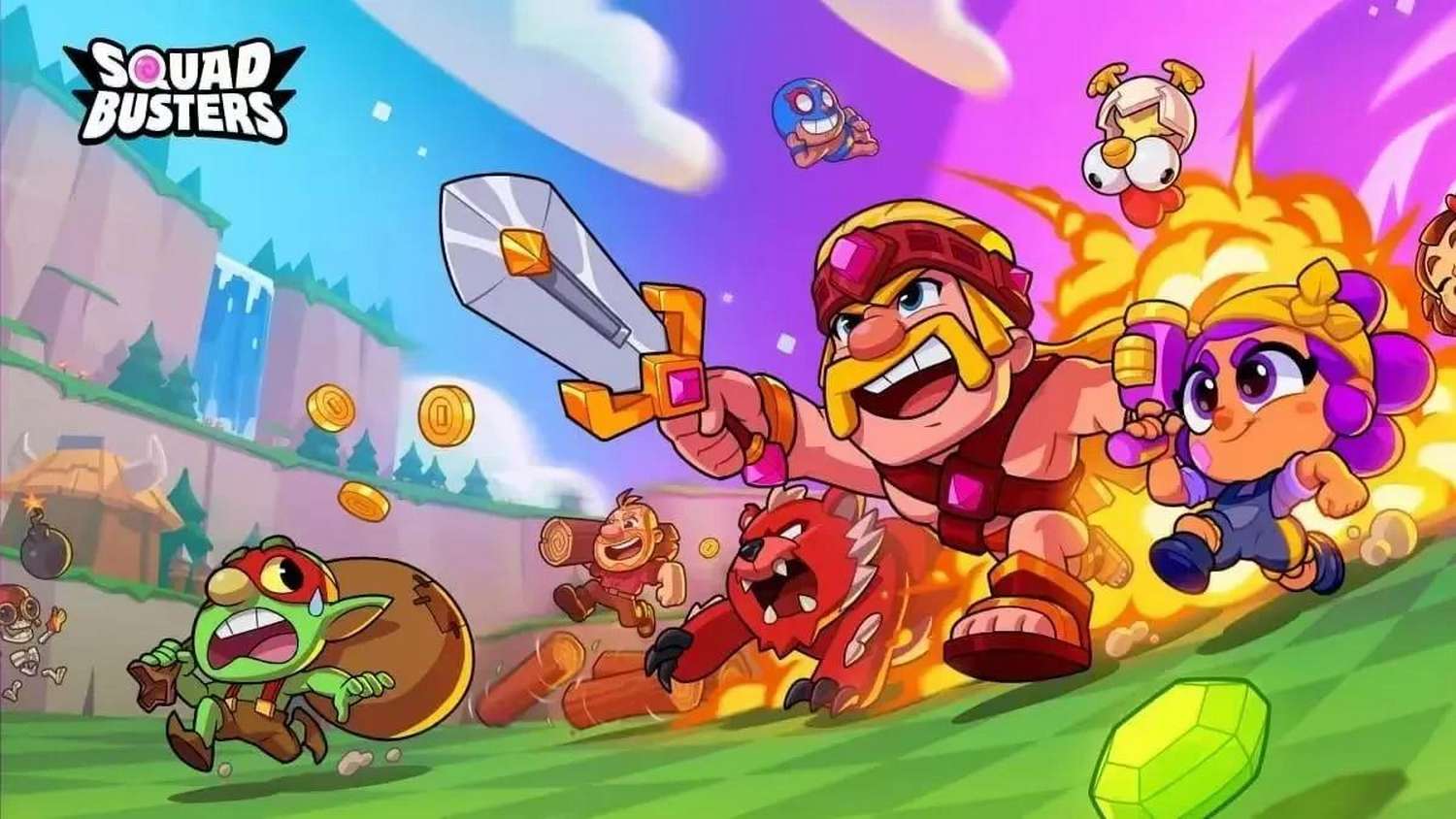 Supercell’s Uncompromising Standards for Success
Supercell has built its reputation on a relentless pursuit of perfection, famously cancelling games that do not exhibit the potential for multi-billion dollar franchises, even after significant investment. This philosophy, while harsh, is a cornerstone of its business model, which prioritizes quality, longevity, and massive global appeal above all else. The company’s portfolio is remarkably lean, a testament to its selective approach: only a handful of games have ever made it to global launch, and even fewer have maintained their status for years.
Industry experts point out that for a game to thrive under Supercell’s umbrella, it must not only be fun but also demonstrate exceptional scalability in terms of user acquisition, maintain remarkably low churn, and exhibit a robust, diversified monetization strategy capable of driving substantial mobile game revenue for years. For Squad Busters, it appears these crucial elements did not align to Supercell’s satisfaction, ultimately leading to the difficult decision to cease operations.