
Strange Horticulture’s Successor Unearths Antiquarian Puzzles: A Deep Dive into the Next Cozy Mystery Sensation









Popular Now
 Warframe
 FIFA 23
 Grand Theft Auto V
 Free Fire Max
 BeamNG.drive
 League of Legends
 Brawl Stars
 Garena Free Fire: Kalahari
NBA 2K24
Garena Free Fire: Kalahari
NBA 2K24
 God of War Ragnarök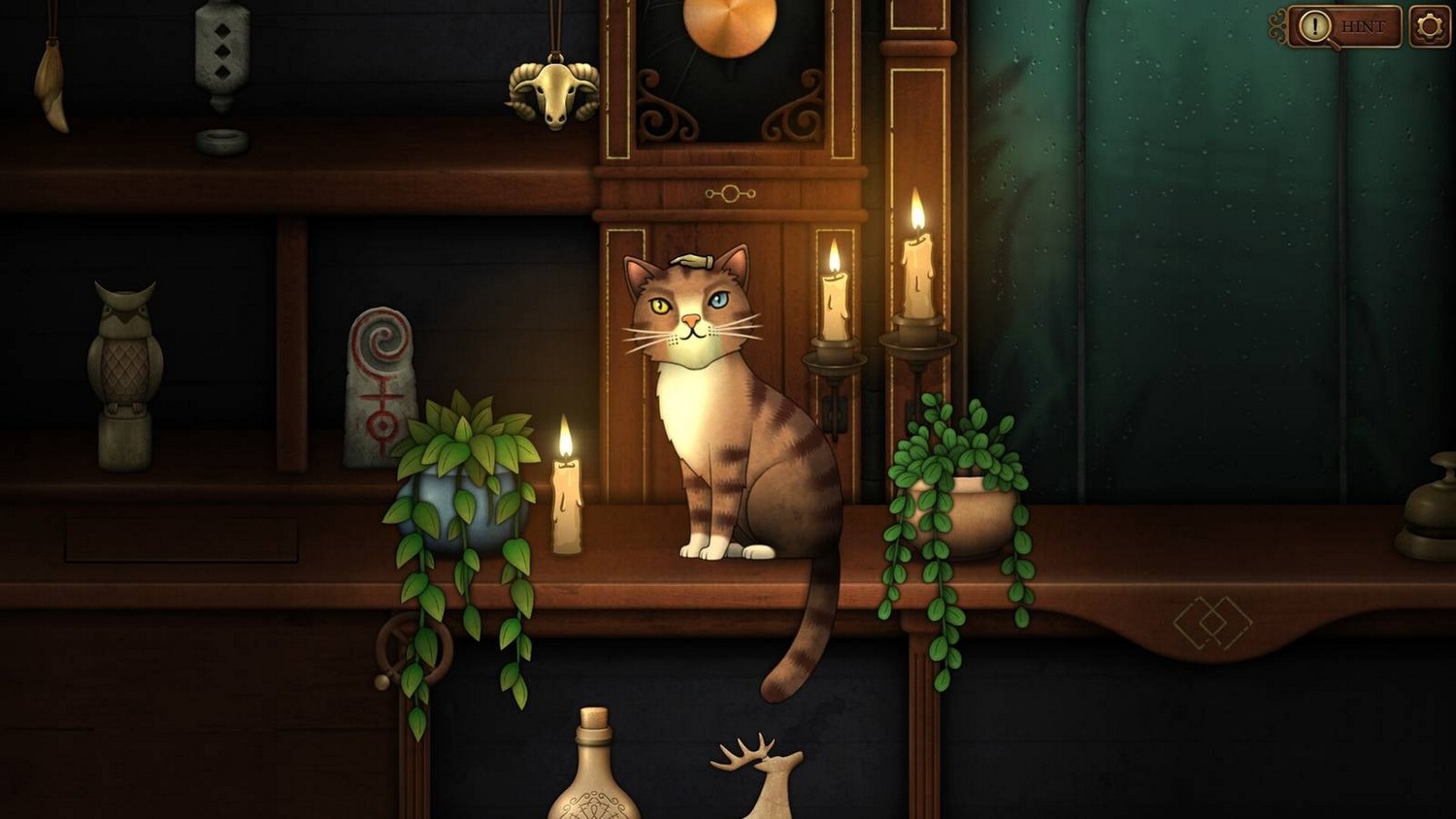
The Evolution of Enchantment: From Botanical Curiosities to Antique Enigmas
The indie gaming world is abuzz with anticipation following whispers of a sequel to the critically acclaimed and uniquely charming title, Strange Horticulture. While details remain somewhat shrouded in the mystical fog that often accompanies such intriguing announcements, the premise suggests a captivating shift from managing an occult plant shop to delving into the equally enigmatic realm of antiquarian treasures. This next installment, hinted to transform the act of collecting and restoring antiques into a sophisticated puzzle goldmine, promises to further cement the franchise’s reputation for innovative, atmospheric, and intellectually stimulating gameplay. For fans of intricate deduction and immersive world-building, the prospect of an antiquing puzzle game from the creators of Strange Horticulture represents a truly exciting development in the indie game release landscape.
The original title garnered immense praise for its masterful blend of cozy horror, meticulous plant identification mechanics, and a compelling narrative woven through a gothic, rain-swept setting. Players found themselves lost for hours identifying peculiar flora, consulting ancient texts, and making choices that subtly influenced the unfolding mysteries of Undermere. The inherent satisfaction derived from correctly identifying a plant based on subtle clues, then utilizing it to solve a local enigma or aid a troubled patron, created a gameplay loop that was both relaxing and deeply rewarding. The success of this formula now paves the way for a successor that aims to replicate, and perhaps even elevate, that unique blend of quiet investigation and profound discovery, this time within the dust-laden shelves and forgotten histories of an antique emporium.
A New Shop, A New Mystery: Unraveling the Core Gameplay Loop
Imagine stepping into a dimly lit antique shop, not merely as a proprietor, but as a forensic historian of forgotten objects. The core mechanic of this potential mystery adventure sequel will undoubtedly revolve around the process of acquiring, identifying, and ultimately understanding the true nature of various historical artifacts. This is where the concept of ‘antiquing into puzzle gold’ truly shines. Players will likely acquire items through various means—perhaps purchasing them from eccentric collectors, discovering them at obscure estate sales, or even unearthing them through whispered rumors in the local community. Each antique will not just be an object; it will be a riddle wrapped in historical context.
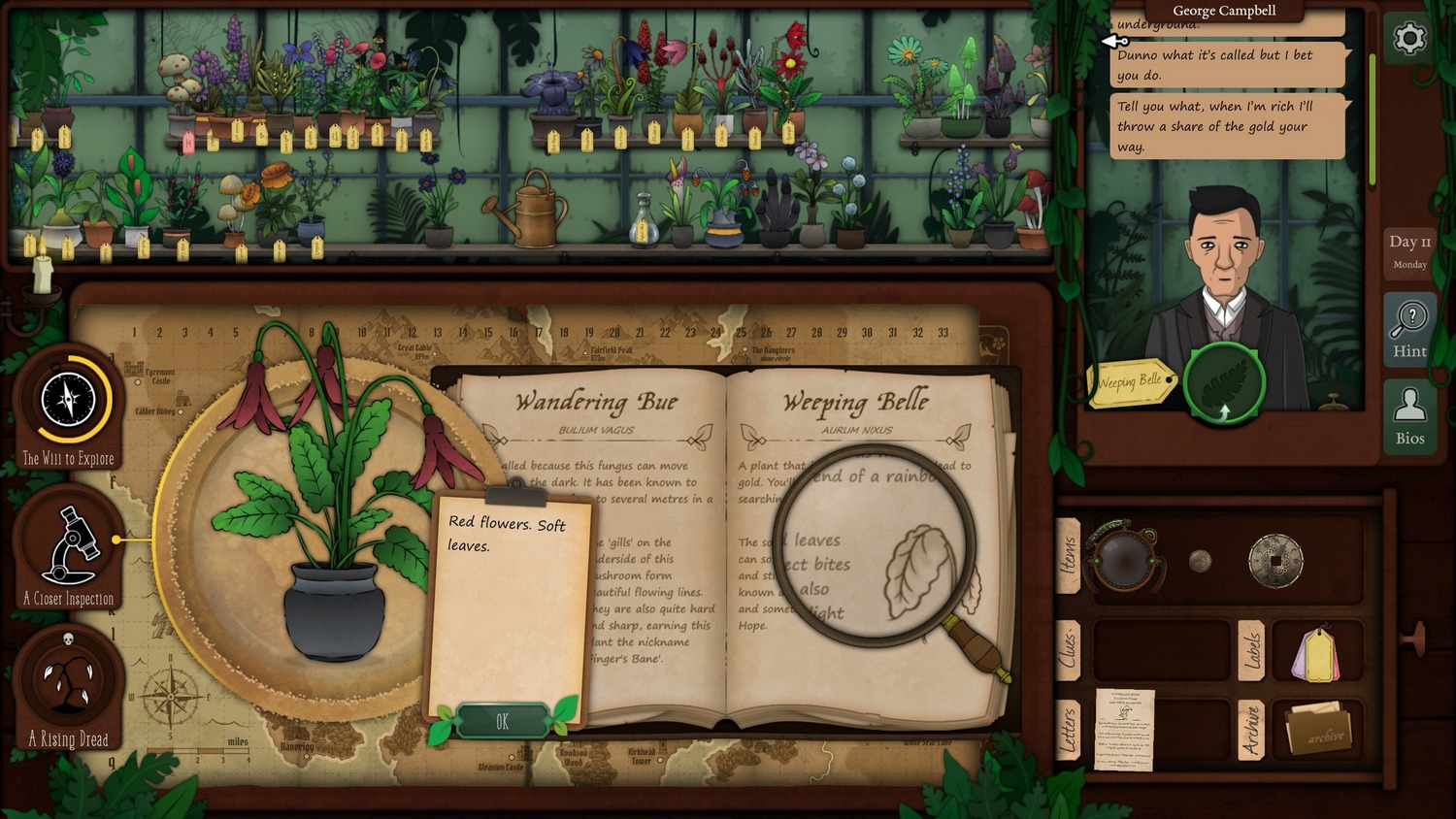
The identification phase promises to be as rich and detailed as the botanical process in its predecessor. Instead of identifying leaf shapes and bloom colors, players might be tasked with:
- Provenance Research: Tracing an item’s ownership history through ledgers, old letters, or cryptic family trees, demanding keen attention to detail and a knack for historical sleuthing. This offers immense potential for deductive gameplay.
- Material Analysis: Examining an object’s composition for clues about its origin, age, or even hidden magical properties, perhaps requiring chemical tests or microscopic examination within the confines of the shop.
- Symbolic Interpretation: Deciphering engravings, crests, or arcane symbols that hint at a deeper, possibly occult, purpose or origin. This could involve consulting ancient grimoires or forgotten encyclopedias, reminiscent of the first game’s extensive lore books.
- Restoration Challenges: Many antiques arrive in disrepair. Players might engage in intricate mini-games to clean, repair, or restore items to their former glory, with each successful restoration potentially revealing new clues or unlocking hidden compartments.
The satisfaction comes not just from the correct identification but from understanding an item’s story and its place within a larger, overarching narrative. These restored and understood antiques then become the ‘keys’ to unlocking further mysteries, perhaps used to satisfy a specific client’s unusual request, solve a local legend, or even uncover a conspiracy that threatens the quaint, yet always subtly unsettling, town.
The Allure of the Obscure: Narrative Depth and Atmospheric World-Building
A hallmark of Strange Horticulture was its ability to craft an atmosphere that was simultaneously cozy and subtly unsettling. The sequel is expected to carry this torch, translating the damp, melancholic charm of a botanical shop into the quiet, dust-moted intrigue of an antique store. The narrative will likely lean heavily into the esoteric, the forgotten, and perhaps even the cursed. Each antique could harbor its own history, some benign, others carrying echoes of tragic events or dark rituals. This opens the door for rich storytelling, where players piece together fragments of history, not just from books, but from the very objects they handle.
Expect a cast of intriguing, quirky characters—collectors, historians, and perhaps even shadowy figures seeking particular artifacts for unknown purposes. Their interactions will undoubtedly add layers to the unfolding mystery, presenting moral dilemmas and challenging the player’s understanding of right and wrong. The world-building will likely extend beyond the shop, allowing players to explore local landmarks, archives, or even ancient ruins in their quest for clues and new inventory, all while maintaining that distinct blend of comfort and creeping dread. This focus on deep lore and player choice positions it as a must-play for fans of narrative-driven game experiences and those who appreciate subtle occult lore woven into everyday settings.
Why This Sequel Is Poised for Success: Key Features and Player Engagement
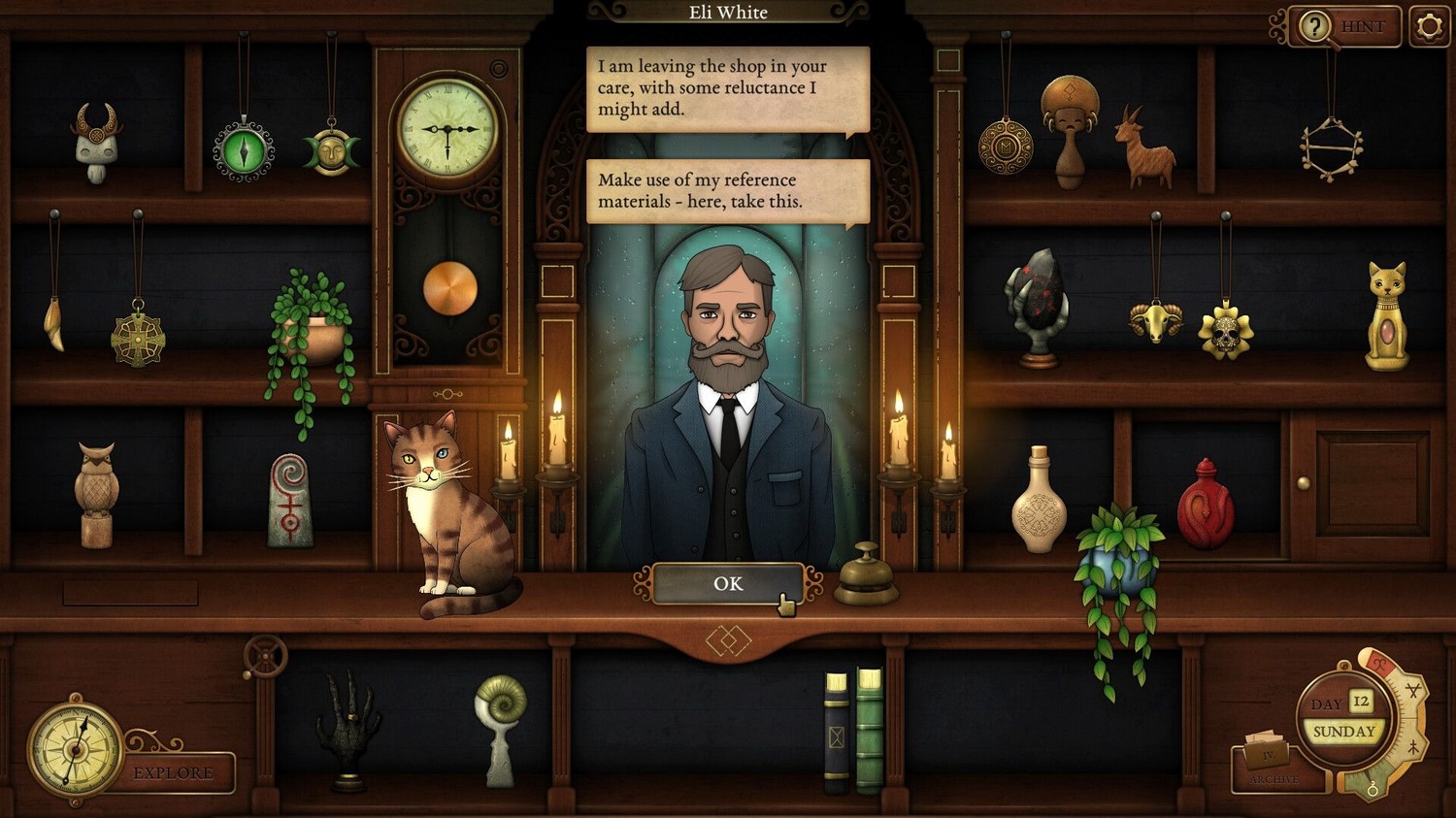
The transition from botany to antiquing is not merely a cosmetic change; it’s a strategic evolution that broadens the game’s appeal while retaining its unique identity. The potential for varied puzzles, deeper historical context, and an even more expansive library of collectible items makes this sequel a highly anticipated title. Key features that will likely contribute to its success include:
- Expanded Deduction Mechanics: Moving beyond simple identification to complex historical research and cross-referencing, offering a more robust intellectual challenge. This could be a significant draw for players seeking immersive puzzle experiences.
- Rich Lore and World-Building: The vastness of human history and folklore provides an endless well of inspiration for narrative and item design, promising countless hours of discovery.
- Atmospheric Immersion: The beloved art style and sound design are expected to return, transporting players directly into the heart of a charming yet eerie antique shop.
- Rewarding Progression: The satisfaction of restoring a neglected item and uncovering its secrets, then seeing how it contributes to the larger story, offers a strong sense of accomplishment.
- High Replayability: The potential for procedurally generated items or branching narratives based on player choices could offer significant replay value, making each playthrough feel unique.
This approach positions the game as a contender for ‘best indie games’ lists and a strong performer in the PC gaming experience market. Its niche appeal combined with high-quality execution makes it a high-value prospect for both players and the broader gaming industry.
Conclusion: The Future of Curio Collecting in Gaming
The mere thought of a Strange Horticulture sequel that delves into the fascinating world of antiques is enough to pique the interest of any discerning gamer. By taking the proven formula of meticulous observation and deductive reasoning and applying it to a rich tapestry of historical objects, the developers are poised to deliver an experience that is both familiar and refreshingly new. This isn’t just about finding old trinkets; it’s about unearthing stories, solving ancient riddles, and proving that sometimes, the greatest treasures are found not in gold, but in the intricate details of a forgotten past. As we eagerly await more official announcements, the prospect of this new mystery game transforming antique collecting into the ultimate puzzle challenge remains one of the most exciting whispers in the gaming community, promising endless hours of engaging, high-quality, and truly unique gameplay. Keep an eye on this space; it’s shaping up to be a significant moment for indie game releases and a shining example of innovative cozy mystery adventures.