
Critical Analysis: Dungeons & Dragons’ Latest Subclasses Spark Debate Over Perceived Favoritism








Popular Now
 CarX Street
 Brawl Stars
 Fortnite
 Fall Guys
 Stumble Guys
 EA SPORT FC 25
 Call of Duty
 R.E.P.O
 Grand Theft Auto V
Candy Crush Saga
Grand Theft Auto V
Candy Crush Saga 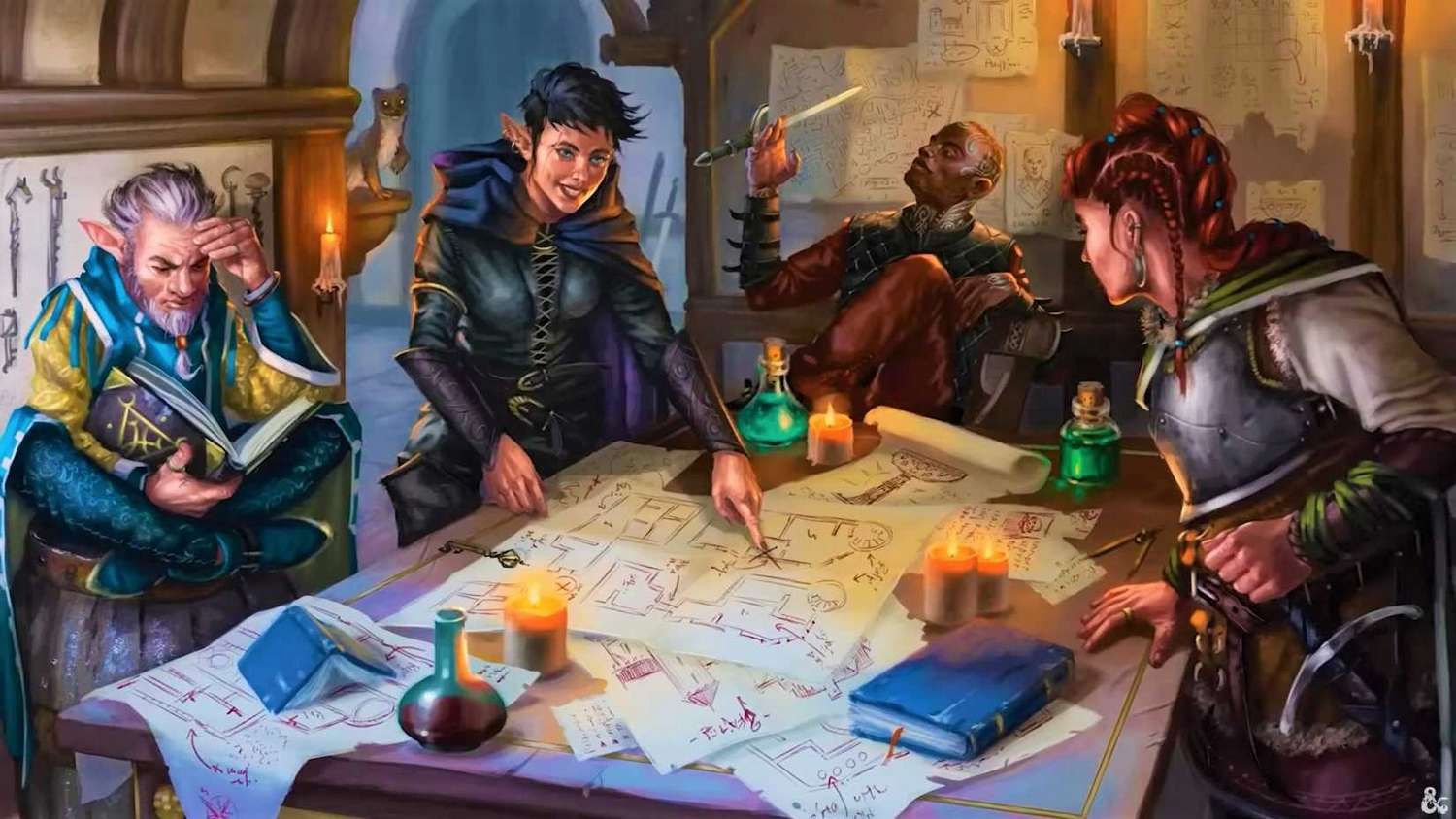
Unpacking the Uneven Playing Field: A Deep Dive into D&D’s New Subclasses
The highly anticipated release of Dungeons & Dragons’ eight new subclasses has sent ripples through the vast and passionate tabletop role-playing game community. While new content is almost universally welcomed, an emerging consensus among players and DMs alike suggests that these additions are not created equal, leading to significant debate about perceived favoritism in character design. This article critically examines the implications of such imbalances, exploring how these new options might affect game balance, player engagement, and the long-term health of D&D 5th Edition’s evolving ecosystem.
For decades, Dungeons & Dragons has been the standard-bearer for fantasy RPGs, constantly evolving to meet the demands of its diverse player base. With each new supplement and Unearthed Arcana release, players eagerly anticipate fresh ways to customize their characters, explore new narratives, and optimize their builds. However, the recent batch of subclasses has ignited a conversation that transcends mere preference; it delves into fundamental questions of game design philosophy and equity across various classes. The sentiment that some classes are receiving significantly more robust, versatile, or thematically exciting features while others languish with niche or underwhelming abilities is becoming increasingly vocal.
The Core of the Controversy: Unequal Power Budgets and Design Focus
The concept of ‘power budget’ is central to game design, referring to the sum total of mechanical strength allocated to a character option. When scrutinizing the eight new subclasses, it becomes apparent to many that this budget has not been distributed equitably. Certain subclasses appear to possess an abundance of potent features that grant them unparalleled flexibility, combat prowess, or out-of-combat utility, often excelling in multiple spheres of play. These options tend to overshadow their counterparts, which may offer only situational benefits or minor statistical improvements.
- Versatility vs. Niche Specialization: High-performing subclasses frequently offer solutions to a wide array of challenges, from crowd control and damage output to social interaction and exploration. Conversely, some new subclasses seem overly specialized, excelling in one very specific, often infrequent, scenario, making them less appealing for general gameplay. This disparity in versatility directly impacts player agency and build optimization.
- Resource Management: The efficiency and cost of new abilities are another critical factor. Subclasses perceived as ‘favored’ often gain powerful abilities that are either at-will, have generous usage limits, or recharge quickly. In contrast, others might feature high-cost, limited-use abilities that feel less impactful in practice, further highlighting the imbalance.
- Thematic Resonance and Mechanical Depth: Beyond raw power, the thematic appeal and mechanical depth of a subclass play a crucial role in player satisfaction. While subjective, there’s a tangible difference between a subclass that introduces innovative mechanics and narrative hooks versus one that feels like a collection of minor tweaks or existing abilities repackaged. Players expect fresh, engaging content that inspires new character concepts, not just slight variations on existing themes.
This uneven distribution creates a ‘meta’ where certain choices become objectively superior, subtly discouraging players from exploring less optimized, but potentially more thematic, options. For a game that prides itself on player freedom and creativity, this narrowing of viable choices is a significant concern for the D&D community.
Impact on the Player Experience and DM Workload
The ramifications of imbalanced subclasses extend far beyond individual character sheets. They permeate the entire Dungeons & Dragons experience, affecting both players and Dungeon Masters.
For Players:
- Choice Paralysis and Dissatisfaction: When a clear power disparity exists, players face a dilemma. Do they choose the objectively stronger, ‘favored’ subclass to keep pace with their party, even if it doesn’t align with their preferred character concept? Or do they opt for a less powerful but thematically appealing choice, potentially feeling underpowered or less impactful during gameplay? This can lead to player dissatisfaction and a sense of being penalized for their creative choices. The hunt for optimal D&D character builds often pushes players towards the strongest available options, creating a monoculture around perceived ‘best’ choices.
- Reduced Replayability: If only a handful of subclasses are considered truly viable or exciting, the long-term replayability of the game suffers. Players are less inclined to experiment with new character types if they anticipate a suboptimal or frustrating experience, directly impacting player engagement and enthusiasm for future content updates.
For Dungeon Masters:
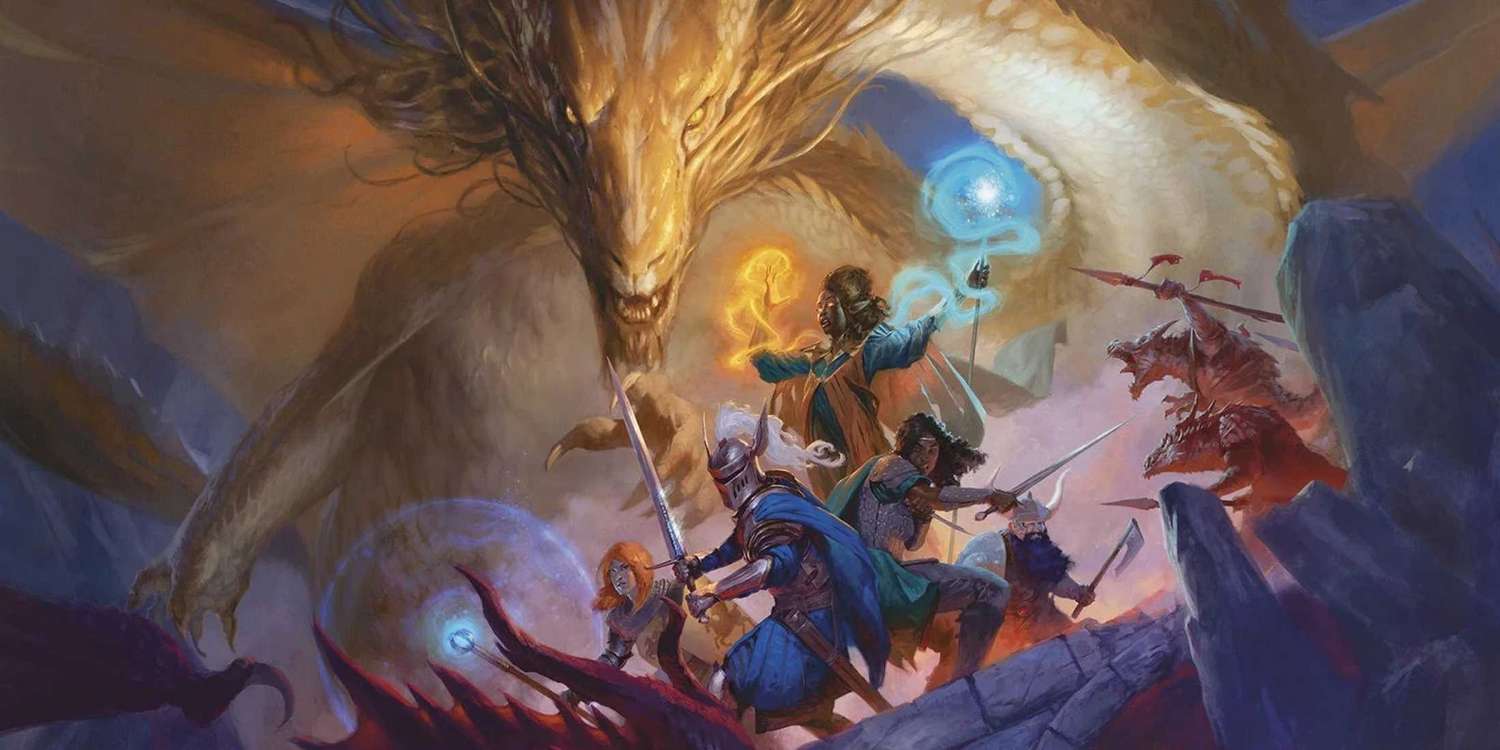
- Balancing Encounters: Dungeon Masters already have a challenging task in creating engaging and balanced encounters. When there’s a significant power gap between party members due to subclass choices, DMs must work even harder to ensure everyone feels impactful. This can involve homebrewing adjustments to less powerful subclasses or designing encounters that specifically cater to the strengths of the weaker party members, adding to an already substantial workload. This often requires DMs to delve into complex game design principles to maintain a semblance of TTRPG balance, which many do not have the time or expertise for.
- Maintaining Narrative Cohesion: Powerful, versatile subclasses can sometimes overshadow other party members, making it difficult for the DM to distribute narrative spotlight equitably. If one character can solve every problem, it diminishes the opportunities for others to shine, potentially leading to player frustration.
- Player Expectations and Feedback: DMs are often the first point of contact for player feedback regarding these imbalances. Navigating these conversations while maintaining a fun and fair game environment requires considerable skill and empathy.
This situation underscores the critical need for robust D&D 5e balance adjustments and thoughtful iteration in the development process, particularly as Dungeons & Dragons approaches its next major evolution with One D&D.
Wizards of the Coast’s Design Philosophy and Future Outlook
The perception of favoritism inevitably leads to questions about Wizards of the Coast’s (WotC) design philosophy. Is this imbalance an intentional move to boost certain archetypes, perhaps those that are more popular or easier to design for? Or is it an accidental byproduct of an iterative design process where some ideas simply coalesce more effectively than others? The community often speculates that certain classes, particularly spellcasters, frequently receive more dynamic and powerful options compared to martial classes, a long-standing criticism within the D&D fanbase. This debate around ‘caster vs. martial’ disparity is further fueled by perceived imbalances in new subclass releases.
High-CPC keywords such as ‘D&D new content review’, ‘TTRPG character optimization’, and ‘Wizards of the Coast game balance’ frequently trend in discussions, indicating significant financial and player interest in these issues. The player base invests not only time but also considerable financial resources into new content, expecting a high standard of quality and equitable design. Consistent, balanced content updates are crucial for maintaining market leadership and player trust in the competitive landscape of tabletop role-playing games.
Transparency in the design process and a proactive approach to addressing community feedback are paramount. While Unearthed Arcana playtests provide a valuable avenue for public testing, the final products must reflect a careful consideration of player input and a commitment to overall game health. Future Dungeons & Dragons content will ideally demonstrate a renewed focus on ensuring that every new option, regardless of its class, offers a compelling, balanced, and fun experience.
Conclusion: A Call for Equitable Evolution in D&D
The conversation surrounding Dungeons & Dragons’ eight new subclasses and their perceived favoritism is more than just minor grumbling; it’s a significant indicator of player expectations for high-quality, balanced game design. While the excitement for new content is undeniable, the underlying concerns about uneven power distribution, reduced player choice, and increased DM workload cannot be ignored. For D&D to continue thriving as the premier tabletop RPG, Wizards of the Coast must demonstrate a clear commitment to equitable design across all classes and subclasses. This means careful consideration of power budgets, versatility, and thematic depth for every new option, ensuring that every player’s choice feels meaningful and impactful.
Ultimately, the strength of Dungeons & Dragons lies in its ability to empower players to tell their own stories through diverse and engaging characters. When design choices inadvertently limit that diversity or create a sense of mechanical inequality, it risks undermining the very foundation of what makes the game so beloved. A future where all new subclasses are equally compelling and well-balanced is not just a player’s wish; it’s a necessity for the continued evolution and success of the world’s greatest role-playing game. The community eagerly awaits WotC’s response to this critical feedback, hoping for a future where favoritism is replaced by universal excellence in D&D character options.