
Lego Voyagers: A Pure Lego Experience That Stumbles on Modern Gaming Expectations










Popular Now
 Gacha Club
 Rust
Rust
 Sonic the Hedgehog™ Classic
 Counter-Strike 2
 League of Legends
 Valorant
Poppy Playtime
Valorant
Poppy Playtime
 Warframe
Geometry Dash
Warframe
Geometry Dash
 Toca Boca World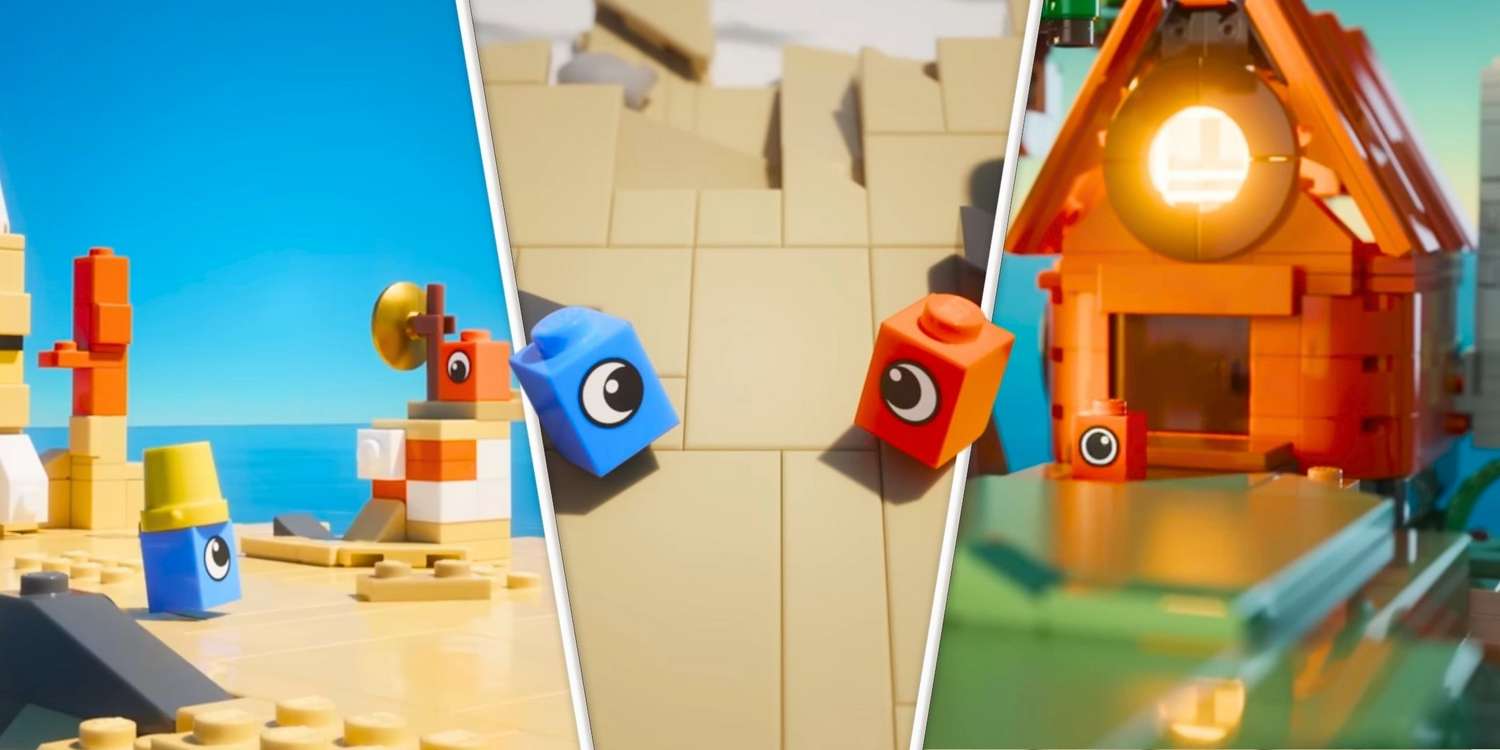
The Enduring Allure of the Brick in the Digital Realm
The Lego brand has long transcended its physical plastic brick origins, evolving into a colossal entertainment empire encompassing films, theme parks, and, significantly, a robust portfolio of video games. From the early days of simple block-building simulations to complex narrative adventures, Lego games have carved a unique niche, blending humor, accessibility, and the inherent joy of creation. The latest entry, Lego Voyagers, seeks to distill this essence, promising a return to the foundational principles that have made Lego a household name. However, as we delve into its expansive, brick-built worlds, it becomes evident that while Voyagers is undeniably true to the Lego spirit, this unwavering dedication perhaps proves to be its most significant limitation in today’s dynamic gaming landscape.
Released amidst a flurry of high-profile titles, Lego Voyagers immediately positions itself as an open-world exploration and crafting game. Players are invited to assemble custom vehicles, discover uncharted territories, and interact with a charming cast of minifigure characters. The initial hours are a delightful homage to the tactile pleasure of physical Lego sets: the satisfying snap of digital bricks, the intuitive assembly process, and the boundless potential of imaginative construction are all present and accounted for. This unwavering commitment to the core tenets of Lego play is commendable and offers a comforting familiarity for long-time fans of the franchise.
Embracing the Core Lego Ethos: Creativity and Accessibility
At its heart, Lego Voyagers champions creativity. The game’s intricate building system allows players unprecedented freedom in designing their vehicles – from rudimentary land rovers to sophisticated aerial craft and submersible vessels. This emphasis on player-driven construction is, without a doubt, one of its strongest selling points. The interface is remarkably intuitive, making complex designs feel achievable even for younger players, while offering enough depth for seasoned builders to truly express their ingenuity. The game encourages experimentation, rewarding players for unique designs and practical applications in traversing diverse biomes, from scorching deserts to frozen tundras and aquatic depths. This aspect alone makes Lego Voyagers a compelling prospect for those who cherish the hands-on, constructive aspect of Lego.

Furthermore, Voyagers excels in its accessibility. True to the Lego game tradition, it offers a gentle learning curve, cooperative play options, and a forgiving gameplay loop. There are no crushing penalties for failure; instead, players are encouraged to rebuild, re-strategize, and continue their adventures. This inclusive design philosophy ensures that Lego Voyagers remains an ideal family-friendly gaming experience, inviting players of all ages and skill levels to partake in its whimsical journey. The bright, vibrant aesthetics and trademark Lego humor permeate every interaction, delivering a consistently positive and engaging atmosphere. The soundtrack, a charming blend of orchestral swells and playful ditties, further enhances the sense of wonder and adventure, contributing significantly to the overall player experience.
The Double-Edged Sword of Purity: Where Adherence Becomes a Stumble
However, it is precisely this devout adherence to the classic Lego formula that occasionally hinders Lego Voyagers from reaching its full potential as a modern gaming titan. While accessibility is a virtue, the game’s core mechanics can sometimes lean into simplicity to a fault. The combat, for instance, remains largely rudimentary, relying on straightforward button mashing and lacking the strategic depth found in contemporary action-adventure titles. Enemies pose little real threat, and boss encounters, while visually imaginative, rarely demand complex tactics or innovative solutions beyond repeated attacks.
The open world, while sprawling and visually appealing, occasionally suffers from a lack of truly compelling content beyond resource gathering and repetitive fetch quests. Exploration, initially exciting, can devolve into a predictable loop of scanning for hidden collectibles and activating switch puzzles that, after a few hours, begin to feel all too familiar. For players accustomed to the dynamic, emergent storytelling and sophisticated environmental interactions prevalent in other top-tier open-world games, Lego Voyagers might feel surprisingly static. The narrative, while charming and whimsical, lacks the emotional resonance or intricate plot twists that could truly elevate the experience beyond a pleasant diversion. This can lead to reduced user engagement over extended play sessions, impacting overall replayability.
Another area where the game’s traditional approach shows its age is in its progression system. While new build parts and cosmetic items are steadily unlocked, the sense of impactful character or vehicle upgrades feels less pronounced compared to RPG-lite elements often integrated into modern exploration titles. Players might find themselves wishing for more robust skill trees, deeper crafting recipes, or more significant customization options that tangibly alter gameplay rather than just aesthetics. This conservative approach to progression, while keeping the game approachable, misses an opportunity to provide long-term incentive for veteran players seeking deeper mechanical engagement and a more significant return on their investment of time. In the competitive digital entertainment market, offering premium gaming content with compelling long-term goals is crucial.

Performance, Technical Aspects, and the Path Forward
On the technical front, Lego Voyagers generally performs well. Graphics are crisp and colorful, showcasing the intricate detail of Lego brick construction, and frame rates remain stable even during chaotic building sequences or bustling hub areas. The game world is rendered with a charming aesthetic that faithfully captures the spirit of Lego, making every environment feel genuinely constructed from bricks. Sound design, while not revolutionary, is solid, with satisfying auditory cues for building and breaking elements. Occasional minor glitches, such as character models clipping through terrain, do occur but are infrequent enough not to significantly detract from the overall experience.
In comparison to some of its predecessors, such as the critically acclaimed Lego Star Wars: The Skywalker Saga, Lego Voyagers feels like a step back in terms of narrative ambition and gameplay innovation. While The Skywalker Saga successfully married expansive open worlds with a refined combat system and cinematic storytelling, Voyagers appears to prioritize the pure building fantasy at the expense of evolving other gameplay pillars. This design choice, while noble in its intent, highlights the inherent challenges in game development: balancing franchise adaptation with the imperative for innovation.
Looking ahead, Lego Voyagers has substantial potential. Future updates could introduce more varied enemy types, complex puzzle mechanics, or even expand the multiplayer options beyond simple cooperative play into competitive building challenges or user-generated content sharing platforms. Integrating more sophisticated monetization strategies (beyond simple cosmetic packs, if applicable to its model) that offer meaningful expansions rather than just superficial additions could also breathe new life into the game. Addressing these areas could significantly enhance user engagement and extend the game’s longevity in the bustling market for creative building games and open-world adventures.
Conclusion: A Heartfelt Homage with Room to Grow
Lego Voyagers stands as a heartfelt homage to the core principles of Lego: creativity, exploration, and accessible fun. Its dedication to these ideals is both its greatest strength and its most notable weakness. For younger players or families seeking a wholesome, unchallenging adventure filled with imaginative building, Voyagers delivers a thoroughly enjoyable experience. However, for seasoned gamers seeking depth, intricate challenge, or groundbreaking innovation in their digital play experience, the game’s steadfast adherence to simplicity might leave them wanting more. It’s a game that perfectly captures the charm of the brick, yet perhaps struggles to construct a bridge to the cutting-edge expectations of modern digital entertainment. While its foundation is solid, future iterations or significant content updates will need to build upon it with greater ambition to truly compete in the premium gaming content space and solidify its legacy within the ever-expanding Lego video game universe.