Pokémon TCG Pocket: Decoding the Future – Upcoming Cards, Expansions & Event Roadmap









Popular Now
 R.E.P.O
 God of War Ragnarök
 Fortnite
 The Legend of Zelda
Sonic the Hedgehog™ Classic
The Legend of Zelda
Sonic the Hedgehog™ Classic
 Toca Boca World
 Auto X Drift Racing 3
 Genshin Impact
 Poppy Playtime
Black Myth: Wukong
Poppy Playtime
Black Myth: Wukong 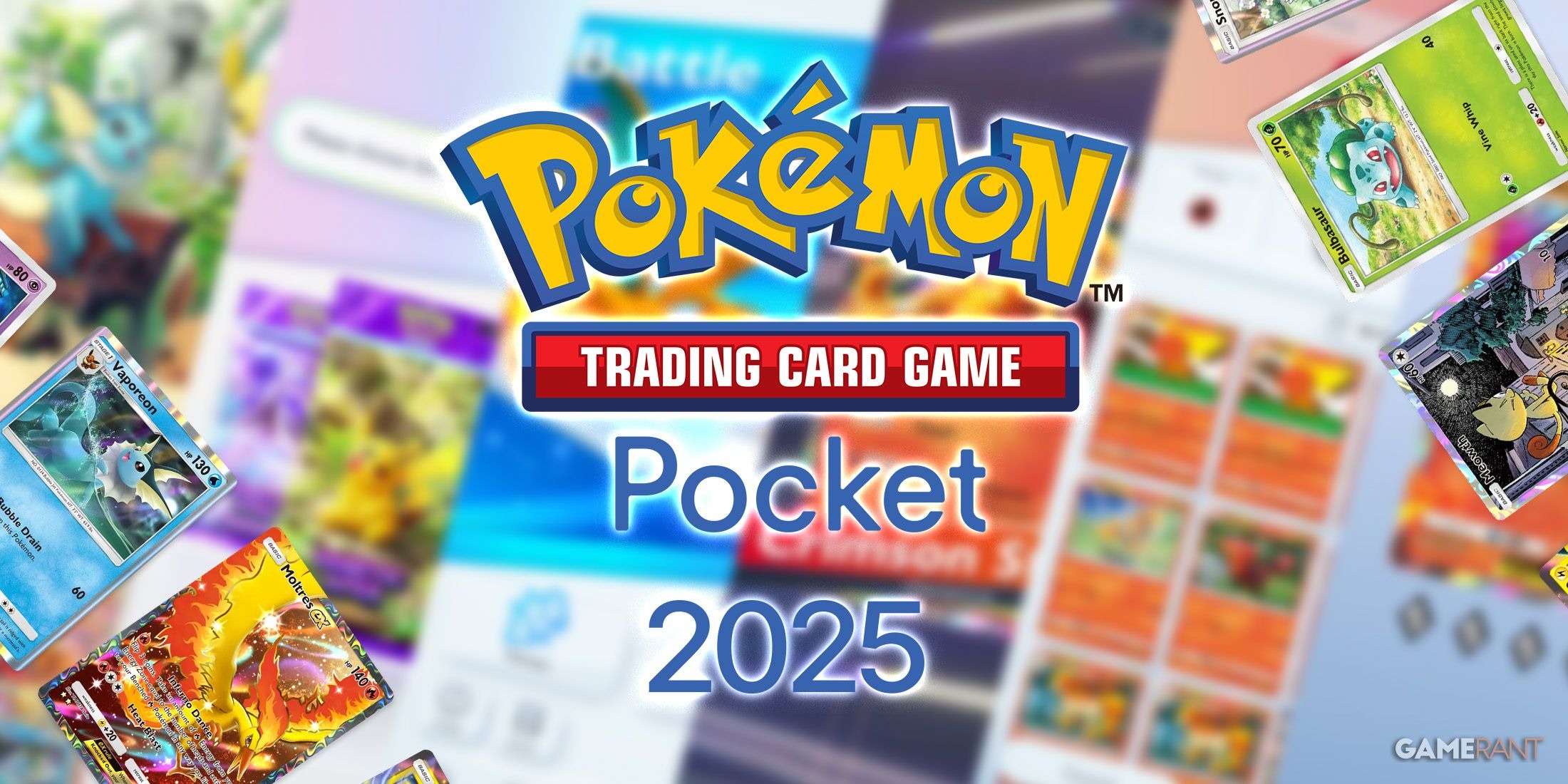
Pokémon TCG Pocket: Decoding the Future – Upcoming Cards, Expansions & Event Roadmap
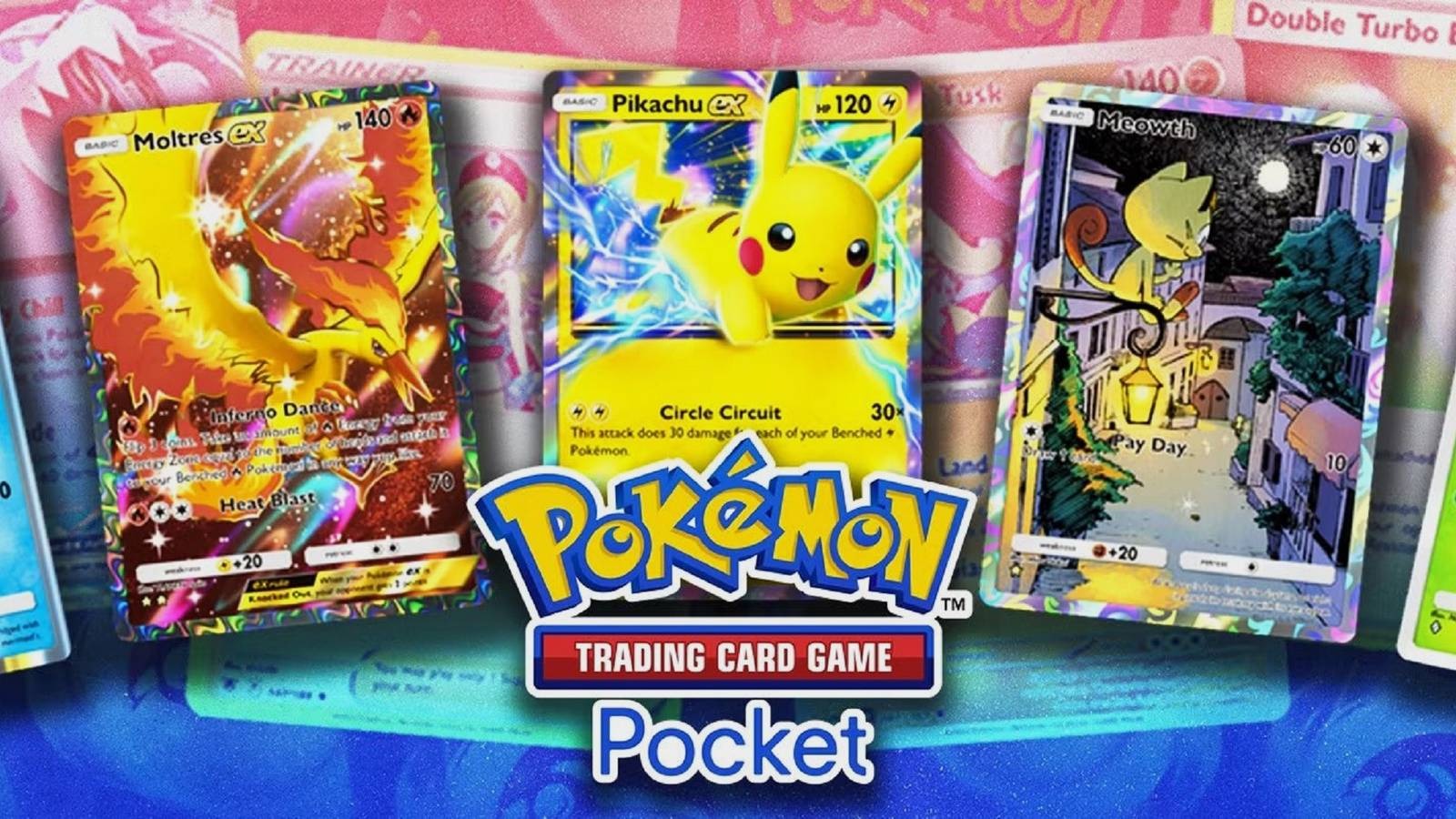
The announcement of Pokémon TCG Pocket has sent ripples of excitement throughout the global collectible card game community. Poised to bring the beloved trading card game experience to mobile devices in an accessible, immersive format, players are keenly awaiting official details regarding its long-term vision. While specific card names and event dates remain under wraps, a comprehensive roadmap is crucial for any digital TCG’s success, outlining the constant stream of new content, strategic evolutions, and player engagement initiatives. This analysis delves into the highly anticipated future of Pokémon TCG Pocket, exploring the likely trajectory for new cards, significant expansions, and compelling in-game events.
Anticipated Card Expansions: Driving the Meta-Game Evolution
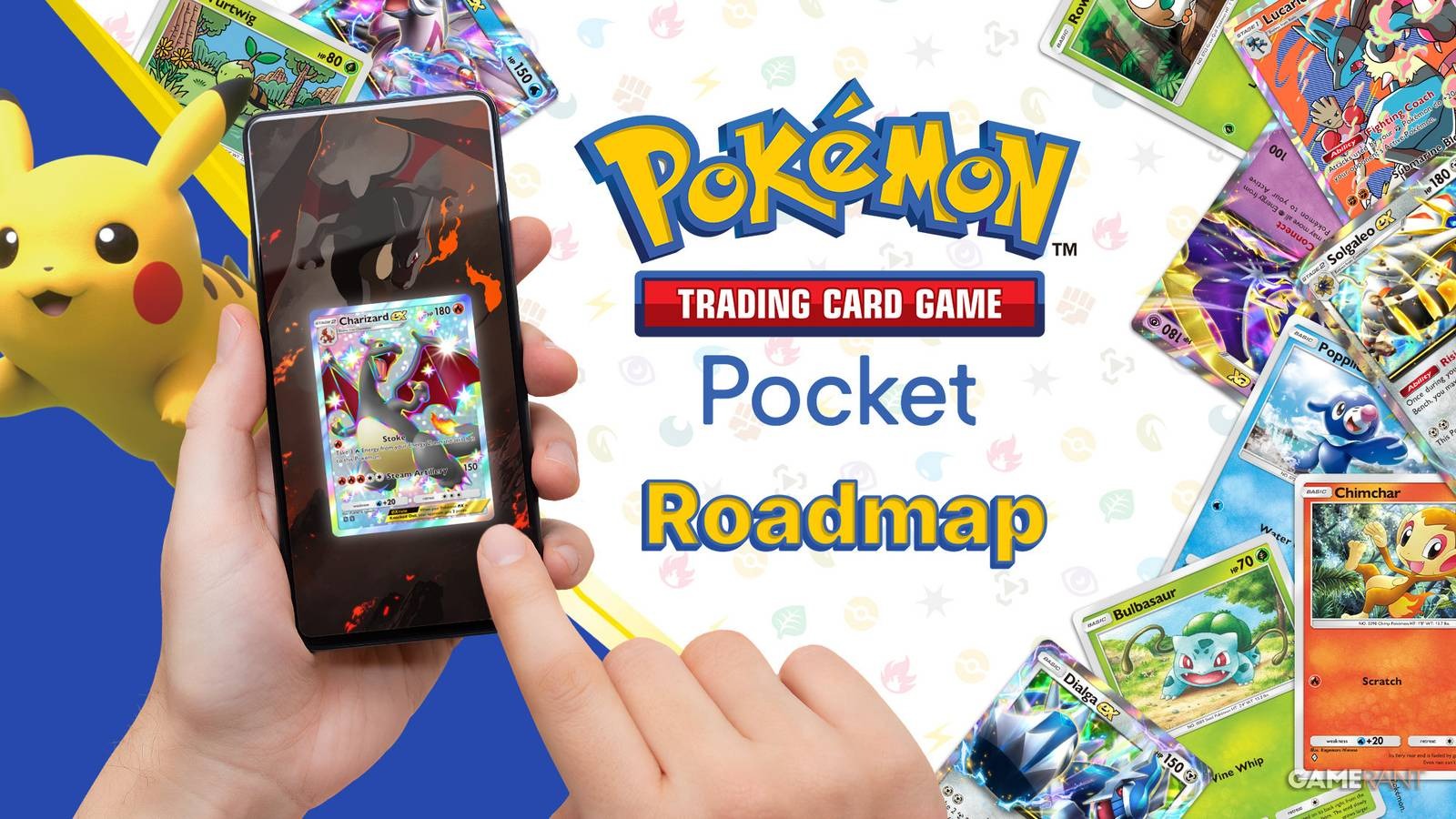
At the heart of any TCG, digital or physical, lies the continuous introduction of new cards. For Pokémon TCG Pocket, this will be the primary engine for keeping the game fresh, diverse, and strategically deep. Players can expect a meticulously planned schedule of card expansions that will periodically reshape the game’s competitive landscape.
- Core Set Releases: These will likely mirror the physical TCG’s approach, introducing hundreds of new cards, new Pokémon, Trainer cards, and special energy. Each core set will undoubtedly bring new mechanics or keywords, forcing players to adapt their strategies and deck constructions. We anticipate these releases to be the biggest drivers of meta shifts.
- Mini-Sets and Special Collections: Beyond the main expansions, smaller, focused releases could introduce powerful single cards or themed collections. These might tie into specific Pokémon generations, regional variants, or even fan-favorite legendary Pokémon, offering targeted infusions of power or unique abilities.
- Classic Card Integration and Reprints: To cater to the nostalgia of long-time fans and ensure a broad card pool, Pokémon TCG Pocket will likely integrate classic cards, perhaps with updated art or rules text for the digital format. Strategic reprints of essential cards (e.g., draw support, energy acceleration) are also vital for maintaining game balance and accessibility for new players, ensuring competitive viability without excessive spending.
- Exclusive Digital Cards: A unique opportunity for a digital platform is the introduction of cards exclusive to Pokémon TCG Pocket. These could feature never-before-seen Pokémon abilities, digital-only mechanics, or unique collectible art variants, fostering a distinct identity for the mobile game separate from its physical counterpart. This can be a significant player retention strategy.
The frequency and balance of these releases will be critical. Too fast, and players feel overwhelmed; too slow, and the meta stagnates. Expect a careful cadence designed to maximize player engagement and interest in purchasing new digital booster packs.
Engaging Events and Seasonal Content: Keeping Players Active
Beyond new cards, a robust schedule of in-game events is essential for any modern mobile game. These events provide goals, rewards, and a reason for players to log in daily, fostering a strong community and driving monetization through engagement.
- Seasonal Ladders and Ranked Play: Regular resets of the competitive ladder, complete with exclusive cosmetic rewards (e.g., card sleeves, deck boxes, avatars) and in-game currency, will encourage continuous competitive play. These seasons could align with new card set releases, creating dynamic metas for each ranked period.
- Limited-Time Tournaments and Challenges: These events could introduce unique rulesets, pre-built decks, or specific card restrictions, offering a fresh way to experience the game. Rewards might include rare cards, exclusive cosmetics, or premium currency, attracting both casual and competitive players. These often represent high-value engagement opportunities.
- Narrative-Driven Events: Pokémon games are rich with lore. Story-based events, where players progress through a series of challenges to uncover a narrative and earn rewards, could add significant depth and immersion, resonating particularly with the Pokémon franchise’s extensive fanbase.
- Collaboration Events: The Pokémon universe is vast. Cross-promotion with other Pokémon games, movies, or even real-world events (like Pokémon GO festivities) could bring unique content and temporary bonuses to Pokémon TCG Pocket, generating buzz and expanding the player base.
- Login Bonuses and Daily/Weekly Quests: These foundational elements provide consistent rewards for consistent play, incentivizing daily engagement and offering a steady stream of resources for all players, including the free-to-play audience.
The success of these events hinges on diverse content, fair reward structures, and a clear communication strategy from the developers. Players are always looking for tangible returns on their time investment.
Quality of Life Improvements and Feature Roadmap
A successful digital game isn’t just about new content; it’s also about a constantly improving user experience. The Pokémon TCG Pocket roadmap must include consistent quality of life (QoL) updates and the gradual introduction of new features.
- User Interface (UI) and User Experience (UX) Enhancements: Ongoing refinement of the game’s interface, animations, and responsiveness will be crucial. This includes clearer presentation of game states, improved deck-building tools, and intuitive navigation.
- Social Features: A robust friend system, guild functionality, and in-game chat will foster community and enable organized play. The ability to spectate friends’ matches or share deck codes easily enhances the social fabric of the game.
- Advanced Matchmaking and Ladder Systems: As the player base grows, sophisticated matchmaking algorithms will ensure fair and balanced matches. Consideration for different competitive tiers, casual play modes, and perhaps even a dedicated spectator mode for high-level games would be valuable additions.
- Replay Functionality: The ability to save and review past matches is invaluable for learning, strategy analysis, and sharing impressive plays within the community.
- Accessibility Features: Options for colorblind players, customizable controls, and various language supports broaden the game’s reach and inclusivity.
These enhancements, while less flashy than new cards, are fundamental to player satisfaction and long-term retention. A commitment to responsive development based on community feedback will be a key indicator of the game’s health.