
Ratchet & Clank: Ranger Rumble — PlayStation’s Iconic Duo Leaps Onto Mobile Platforms








Popular Now
 PUBG Mobile
 Fortnite
Among Us
Fortnite
Among Us
 Toca Boca World
 BeamNG.drive
 Minecraft
 CarX Street
 Stumble Guys
 Warframe
 EA SPORT FC 25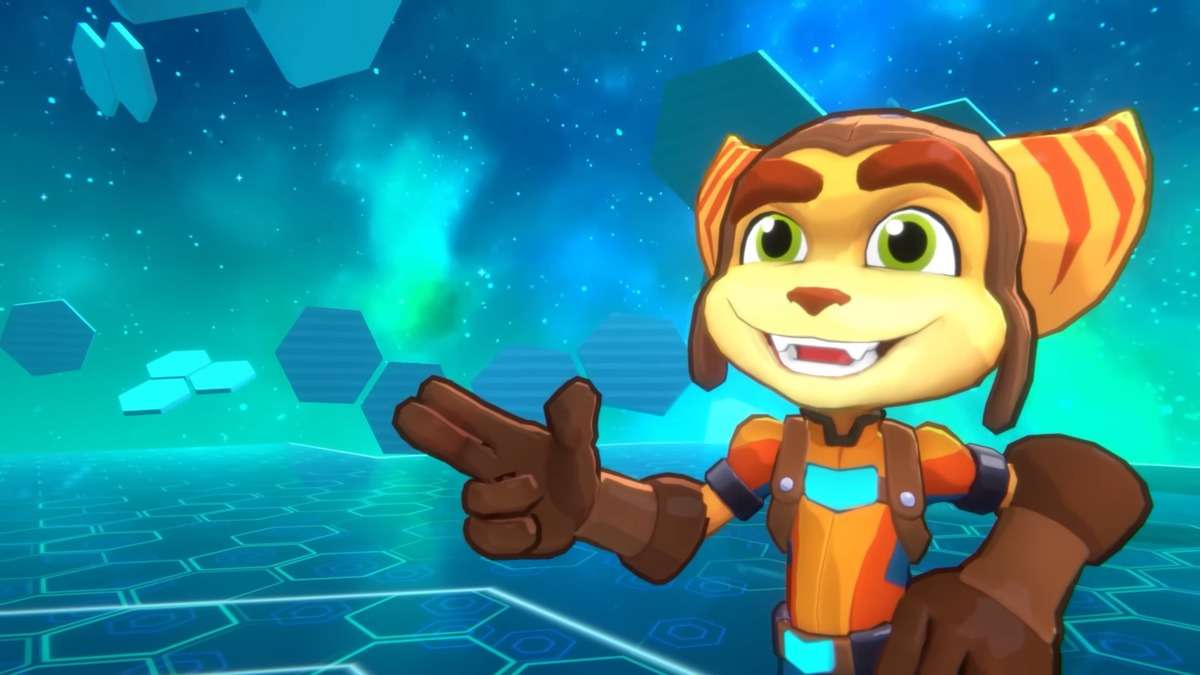
The landscape of modern gaming continues its relentless evolution, with the boundary between traditional console experiences and handheld entertainment becoming increasingly blurred. In a move that signals a significant strategic shift for a beloved franchise, PlayStation’s iconic Lombax and robotic sidekick, Ratchet and Clank, are set to embark on a new adventure with the official announcement of Ratchet & Clank: Ranger Rumble, slated for mobile devices. This eagerly anticipated title promises to bring the fast-paced action, inventive weaponry, and signature humor of the acclaimed series to millions of smartphone users globally, marking a pivotal moment for both the franchise and the broader mobile gaming market.
For decades, Ratchet & Clank have been synonymous with groundbreaking graphics, innovative gameplay mechanics, and engaging narratives across various PlayStation generations. The prospect of translating this high-fidelity, dynamic experience to mobile platforms presents both immense opportunities and considerable technical challenges. Developers are tasked with adapting the series’ core elements – intricate platforming, frenetic third-person shooting, and a vast arsenal of outlandish gadgets – for a touch-based interface, while maintaining the graphical fidelity and smooth performance expected from a top-tier Ratchet & Clank title. This expansion into the mobile ecosystem is not merely a port but a reimagining designed to captivate a new generation of players while satisfying the long-standing fanbase.
The Strategic Imperative: Why Mobile Now?
The decision to bring a marquee PlayStation IP like Ratchet & Clank to mobile underscores a broader trend within the gaming industry. The mobile sector now accounts for over half of the global gaming revenue, representing an undeniable growth vector for publishers seeking to expand their reach and diversify their portfolios. Successful ventures by other console giants into mobile, demonstrating the viability of high-quality, free-to-play (F2P) or premium mobile experiences, have paved the way. Ratchet & Clank: Ranger Rumble is poised to capitalize on this fertile ground, leveraging the brand recognition and established fanbase to penetrate an incredibly competitive market. This move could significantly enhance PlayStation’s presence in the lucrative casual gaming and hardcore mobile gaming segments, offering a fresh entry point for new players unfamiliar with the console lineage.
Developing for mobile, however, requires a delicate balance. It necessitates optimizing for a diverse range of hardware specifications, from entry-level smartphones to high-end flagship devices, ensuring a consistent and enjoyable experience across the board. Furthermore, the inherent limitations of touch controls often dictate a different approach to game design, emphasizing intuitive taps, swipes, and contextual actions over complex button combinations. The team behind Ranger Rumble will undoubtedly be focusing on creating a control scheme that feels natural and responsive, allowing players to fully immerse themselves in the Lombax’s adventures without frustration.
 Gameplay Expectations: Adapting the Signature Style
 Gameplay Expectations: Adapting the Signature Style
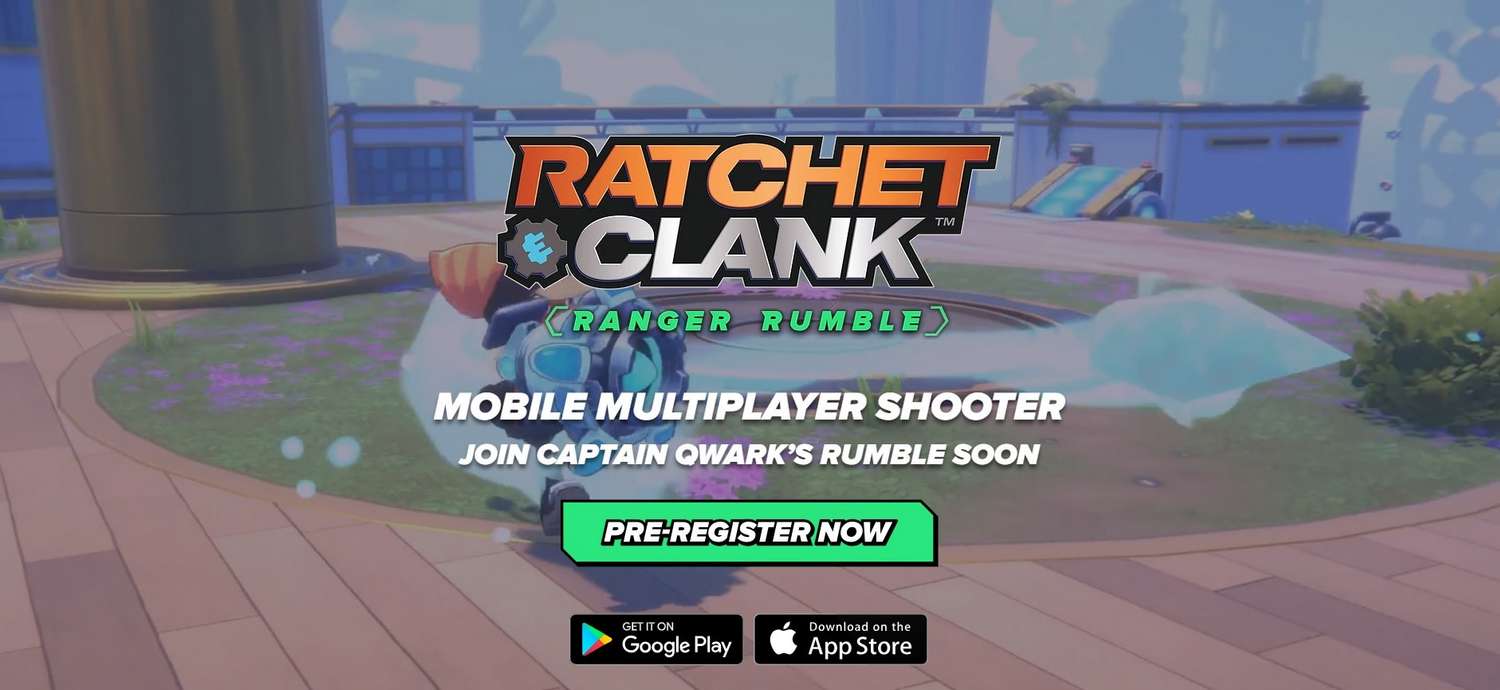
While specific details about Ratchet & Clank: Ranger Rumble’s gameplay mechanics remain under wraps, expectations are high for a title that stays true to the series’ roots. Fans anticipate a blend of exhilarating platforming sequences, intense combat encounters with signature weapons like the Groovitron and Mr. Zurkon, and puzzle-solving elements utilizing Clank’s unique abilities. The challenge lies in translating these diverse gameplay loops into an engaging mobile format. Potential adaptations might include:
- Streamlined Controls: Intelligent auto-aiming, tap-to-move navigation, and simplified gesture-based inputs for weapon switching or gadget deployment.
- Bite-Sized Missions: Structuring gameplay into shorter, more digestible levels or challenges perfect for on-the-go play sessions, while still weaving into a larger narrative.
- Character Progression: A robust system for upgrading weapons, armor, and gadgets, providing a strong sense of progression and customization tailored for mobile engagement loops.
- Social Features: Potential for leaderboards, cooperative challenges, or competitive modes that leverage mobile connectivity.
The visual fidelity is also a critical factor. Given the graphical prowess showcased in recent console entries like Rift Apart, players will expect Ranger Rumble to push the boundaries of what’s achievable on mobile. High-resolution textures, detailed character models, and vibrant alien worlds will be crucial for delivering a truly premium mobile experience that stands out in a crowded marketplace.
Monetization and Player Experience: The Free-to-Play Dilemma
 Monetization and Player Experience: The Free-to-Play Dilemma
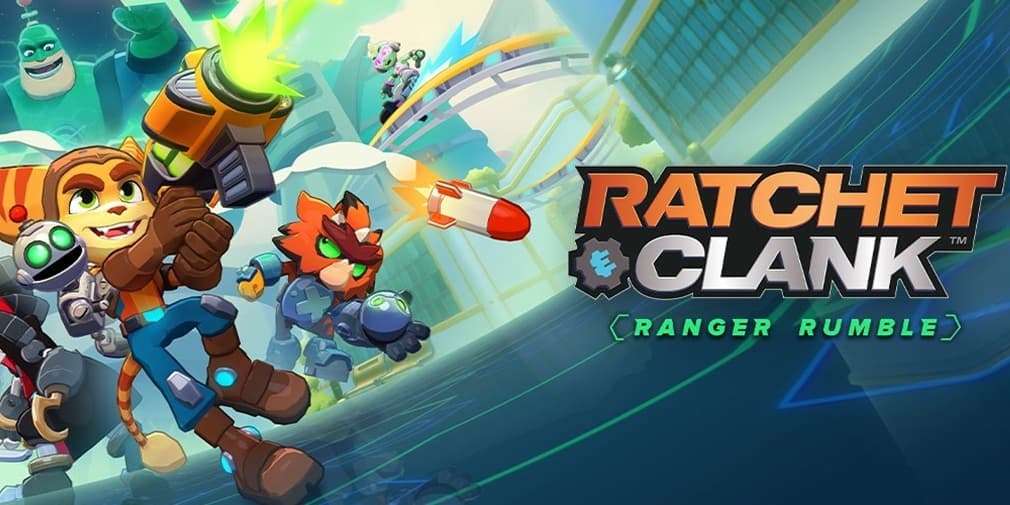
Perhaps one of the most scrutinized aspects of any major mobile game launch is its monetization strategy. While details are scarce, the prevailing trend suggests a free-to-play model with optional in-app purchases (IAPs). This approach allows for a broad initial player base but requires a careful balance to ensure monetization feels fair and enhances, rather than detracts from, the overall player experience.
Potential monetization avenues for Ratchet & Clank: Ranger Rumble could include:
- Cosmetic Customizations: Skins for Ratchet, Clank, and their ships, providing visual flair without impacting gameplay balance.
- Battle Passes: Tiered reward systems offering a mix of free and premium items for dedicated players.
- Time Savers: Optional purchases to accelerate progression, such as currency packs or experience boosts, designed for players with limited time.
- Unique Gadgets/Weapons: Introducing new, interesting weapons or gadgets that can be acquired through gameplay or optionally purchased, ensuring they are not